Η μετάφραση είναι διαθέσιμη (07/02/2026)
Ιατρικό gaslighting, ιατρικό τραύμα και ιατρικό μετά-τραυματικό στρες
«Στην προσκόλληση ενός ανθρώπου στη ζωή υπάρχει κάτι ισχυρότερο από όλα τα δεινά του κόσμου. Η κρίση του σώματος είναι τόσο καλή όσο και του νου και το σώμα οπισθοχωρεί από την εξόντωση. Αποκτούμε τη συνήθεια να ζούμε πριν αποκτήσουμε τη συνήθεια να σκεφτόμαστε.» Αλμπέρ Καμύ
«Δεν υπάρχουν άνθρωποι χωρίς φωνή, υπάρχουν μόνο οι σκόπιμα φιμωμένοι, ξέρετε, ή αυτοί που σκόπιμα δεν ακούγονται.» Αρουντάτι Ρόι / Arundhati Roy
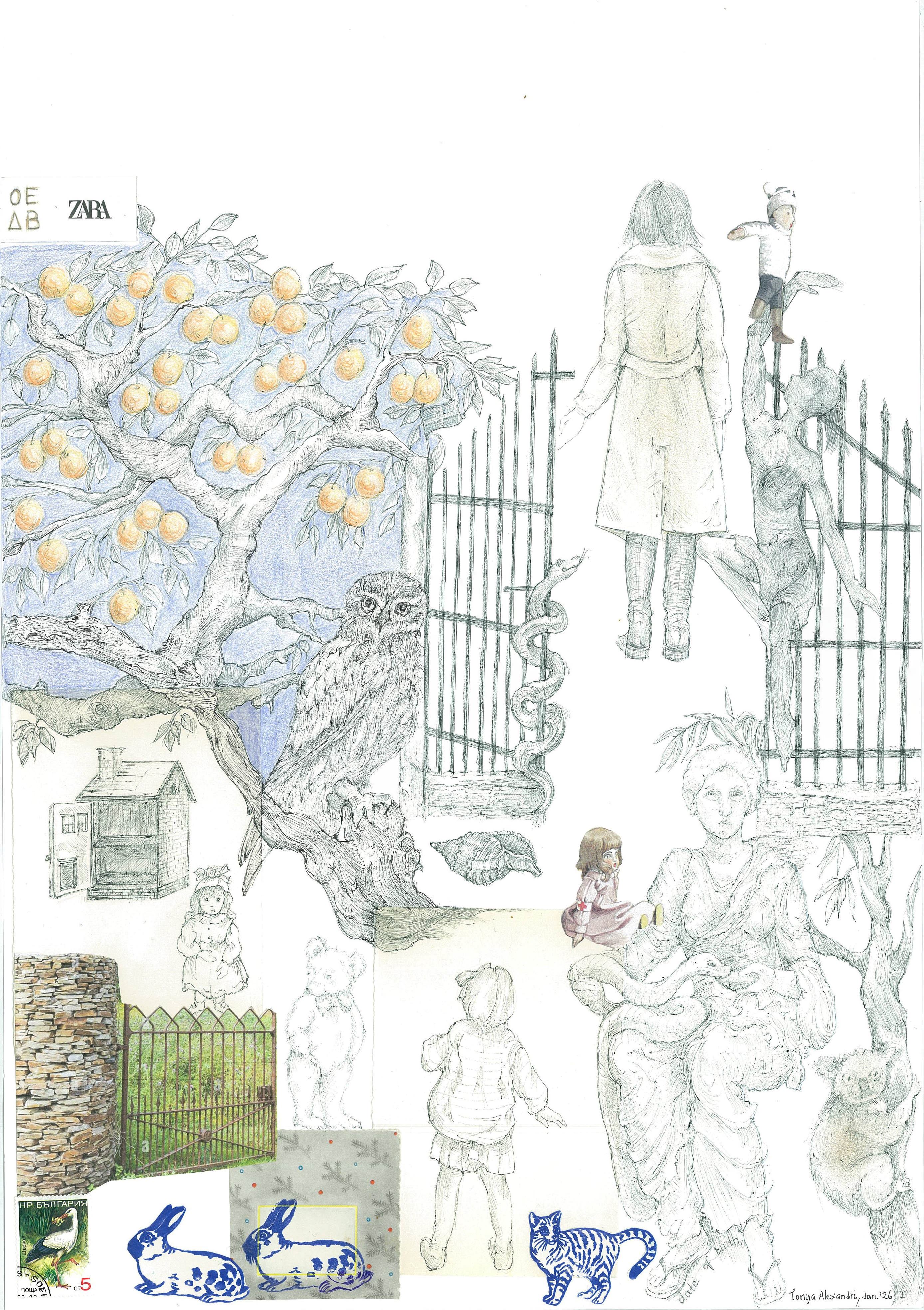
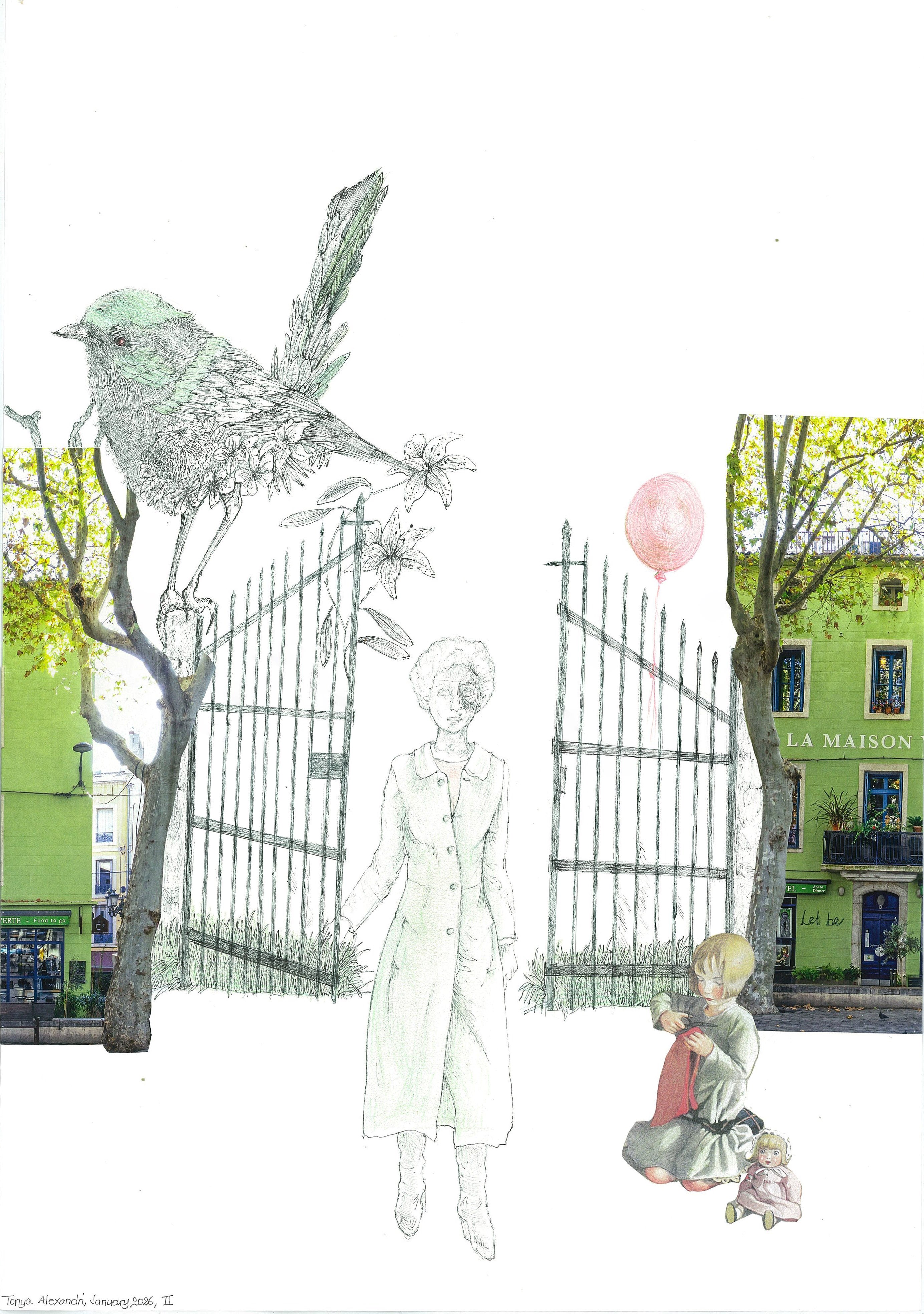
Σχετικά με το ιατρικό τραύμα και το gaslighting σε προσωπικές σχέσεις και σε ευρύτερα κοινωνικά πλαίσια, όπως η εκπαίδευση ή τα μέσα ενημέρωσης, έχω γράψει ή αναφερθεί στο παρελθόν, αλλά δεν νομίζω ότι έχω αναφερθεί στο ιατρικό gaslighting. Η σημερινή ανάρτηση λοιπόν διερευνά το ζήτημα του ιατρικού gaslighting και τραύματος μέσω της παρουσίασης ενός μη μυθοπλαστικού βιβλίου, Medical Gaslighting / Ιατρικό Gaslighting, της Ilana Jacqueline. Επίσης, ενώ διάβαζα το βιβλίο παρακολούθησα και διάβασα σχετικό υλικό, οπότε θα κάνω αναφορές και σε αυτό το υλικό. Τέλος, δεν έχω συμπεριλάβει προσωπικές εμπειρίες σε αυτό το άρθρο επειδή η ανάρτηση είναι αρκετά μακροσκελής.
Πριν συνεχίσω, θα ήθελα να πω εξαρχής ότι το πεδίο της ιατρικής και η τεράστια πρόοδος που έχει σημειώσει συμβάλλει σημαντικά στην ποιότητα ζωής και τη μακροζωία όλων όσων βρίσκονται στον πλανήτη κι έχουν πρόσβαση σε κάποιο επίπεδο ιατρικής περίθαλψης και πληροφοριών για την υγεία. Τρέφω μεγάλο σεβασμό για τους γιατρούς και τους πάροχους υγείας. Η εργασία που κάνουν οι γιατροί και άλλοι πάροχοι υγείας είναι πολύτιμη, ενίοτε δύσκολη και απαιτητική. Είναι ένα κοινωνικά σημαντικό επάγγελμα, ειδικά όταν βιώνεται και ως λειτούργημα. Επίσης απαιτείται από τους μελλοντικούς γιατρούς να επενδύσουν πολύ χρόνο, προσπάθεια και χρήματα προκειμένου να γίνουν γιατροί. Σώζουν ζωές, σταματούν την εξέλιξη ασθενειών, ανακουφίζουν από τον πόνο, και ιδανικά καθοδηγούν και παρέχουν προληπτική φροντίδα. Νιώθω ευγνωμοσύνη για τις φορές που αγαπημένα μου πρόσωπα ή εγώ η ίδια λάβαμε υγειονομική περίθαλψη, σωστές συμβουλές ή βγήκαμε ζωντανοί από κάποιο χειρουργείο. Τέλος, τρέφω μεγάλο σεβασμό για τους γιατρούς και άλλους πάροχους υγείας που προσφέρουν ανθρωπιστική βοήθεια σε ομάδες ανθρώπων που βρίσκονται σε θέση μεγάλης ανέχειας ή σε κίνδυνο, όπως σε περιοχές που πλήττονται από ξηρασία, φτώχεια και επιδημίες ή σε εμπόλεμες ζώνες.
Ωστόσο, υπάρχουν επίσης εγγενείς ανισότητες, διαδικασίες αποκλεισμού, κάποιες προβληματικές δυναμικές εξουσίας και ιεραρχίες, προκαταλήψεις και ξεπερασμένες θεωρίες, ενσωματωμένες στο ιατρικό σύστημα, όπως και σε όλους τους τομείς της κοινωνίας. Επιπλέον, είμαστε όλοι προγραμματισμένοι να κρίνουμε και οι γιατροί δεν διαφέρουν από τους υπόλοιπους ανθρώπους από αυτή την άποψη, αλλά αυτή η τάση και πολύ χρήσιμη ενίοτε γνωστική ικανότητα μπορεί συχνά να οδηγήσει σε στερεότυπα και προκατειλημμένη σκέψη, και όταν αυτό συμβαίνει σε ιατρικά πλαίσια, οι συνέπειες μπορούν να επηρεάσουν την ποιότητα της παρεχόμενης φροντίδας. Οι γιατροί και οι πάροχοι υγείας είναι άνθρωποι όπως και οι υπόλοιποι με συνειδητές και ασυνείδητες προκαταλήψεις, ιδεολογίες, ενδιαφέροντα και συμφέροντα, αξίες και πολιτισμικές επιρροές, τραύματα, διαφορετικές προσωπικότητες κι επίπεδα ενσυναίσθησης, φόβους, υπαρξιακές αγωνίες κι άμυνες, καθώς και προβλήματα, και όλοι αυτοί οι παράγοντες μπορούν να επηρεάσουν και την ποιότητα της φροντίδας που παρέχουν. Όπως σε κάθε επάγγελμα, υπάρχουν ατομικές διαφορές, δεν είναι όλοι οι γιατροί ίδιοι και κάποιοι είναι πιο ικανοί, συμπονετικοί και ευσυνείδητοι από άλλους. Τέλος, είναι σημαντικό να θυμόμαστε ότι η προκατάληψη δεν είναι μόνο ατομική. Είναι ενσωματωμένη στην έρευνα, στις κουλτούρες οργανισμών και μονάδων υγείας, στις πολιτικές υγείας, στους κανονισμούς και στις κοινωνικές νόρμες. Επομένως, αλλαγές είναι απαραίτητες τόσο σε συστημικό όσο και σε προσωπικό επίπεδο κατά τη διάρκεια των καθημερινών αλληλεπιδράσεων ασθενή-γιατρού/νοσηλευτή.
Το βιβλίο της Ilana Jacqueline είναι ένας πρακτικός οδηγός που βοηθά ασθενείς, κυρίως γυναίκες, να αντιμετωπίσουν την ιατρική προκατάληψη ή την παραμέληση σε ιατρικά πλαίσια, ώστε να έχουν περισσότερες πιθανότητες να λαμβάνουν τη φροντίδα που χρειάζονται και τους αξίζει. Γράφει: «Αυτός είναι ο απαραίτητος οδηγός για την άμυνα ενάντια σε ένα ιατρικό και κοινωνικό σύστημα που δεν έχει κατασκευαστεί για να φέρει το βάρος των γυναικών που επιθυμούν να είναι υγιείς». Η Jacqueline συμπεριλαμβάνει και τη δική της εμπειρία και ξεκινά ενημερώνοντάς μας ότι μια καθυστερημένη κατά 19 χρόνια διάγνωση, την οποία θα έπρεπε να είχε λάβει κατά τη γέννηση της για μια σοβαρή πάθηση που αφορούσε το ανοσοποιητικό της σύστημα, θα την είχε γλιτώσει από πολύ σωματικό πόνο, ταλαιπωρίες και απώλειες. Η ζωή της θα είχε εξελιχθεί διαφορετικά, ίσως και το μέλλον της να ήταν διαφορετικό. Προσφέρει επίσης πληροφορίες και συμβουλές από ειδικούς, καθώς και ιστορίες γυναικών που αντιμετώπισαν το ιατρικό gaslighting, τελικά έλαβαν διαγνώσεις και κατάλληλη υγειονομική περίθαλψη και έζησαν για να πουν τις ιστορίες τους. Η Jacqueline σημειώνει επίσης ότι παρόλο που σήμερα περισσότεροι άνθρωποι μπορεί να γνωρίζουν την πραγματικότητα του ιατρικού gaslighting και των πρακτικών αποκλεισμού, η ευαισθητοποίηση από μόνη της δεν αρκεί. Το βιβλίο της παρέχει καθοδήγηση για να βοηθήσει στην αύξηση της αυτοπεποίθησης και της ικανότητας των ασθενών να αναλάβουν τον έλεγχο της υγείας τους ή της υγείας κάποιου μέλους της οικογένειάς τους. Συζητά τρόπους για να κατακτήσει κανείς την ικανότητα να κάνει ερωτήσεις και να ζητά πληροφορίες, μια διάγνωση ή ένα σχέδιο υγείας / health or treatment plan, πώς να έχει επίγνωση των σημάτων, της γλώσσας και των συμπεριφορών του ιατρικού gaslighting και πώς να αναγνωρίζει την ιατρική προκατάληψη όταν την συναντά.
Iσχυρίζεται ότι για τις γυναίκες η πιθανότητα να βιώσουν ιατρικό gaslighting, που πρακτικά σημαίνει ότι οι ανησυχίες και τα συμπτώματά τους αγνοούνται ή απορρίπτονται ή «ψυχολογικοποιούνται», πληροφορίες παρακρατούνται ή τους συμπεριφέρονται ως να είναι παιδιά ή ανόητες, ή δεν λαμβάνουν διάγνωση ή πλάνο θεραπείας, ήταν πάντα πραγματική και υψηλότερη με τρομερές συνέπειες που κυμαίνονται από την αποφυγή, εκ μέρους των γυναικών κυρίως ασθενών, των ιατρών και των ιατρικών πλαισίων έως την καθυστέρηση διάγνωσης ή τις πολλαπλές διαγνώσεις, την επιδείνωση της υγείας και τον θάνατο. Προσθέτει ότι στατιστικά στοιχεία και μελέτες έχουν δείξει ότι το να είσαι έγχρωμη γυναίκα, τρανς, ομοφυλόφιλη (ος), άτομο με αναπηρία, υπέρβαρη (ος), ηλικιωμένη (ος), φτωχή (ός) ή μετανάστρια (ης), μπορεί να επιδεινώσει περαιτέρω την κατάσταση, αλλά διευκρινίζει ότι τελικά ο καθένας μας μπορεί να βιώσει ιατρικό gaslighting, ειδικά σε ένα υπερφορτωμένο σύστημα υγείας.
Στα πρώτα της κεφάλαια, η Jacqueline συζητά την ανάγκη για έναν οδηγό πλοήγησης του συστήματος της υγείας, ορίζει το ιατρικό gaslighting και διερευνά την αιτιότητα και τις σοβαρές συνέπειές του, γράφει για το πώς μπορεί να το αναγνωρίσει κανείς και συζητά το θέμα της ιατρικής προκατάληψης σε βάθος. Στο δεύτερο μέρος του βιβλίου, διερευνά τρόπους προετοιμασίας για ραντεβού, πώς να αντιδράσει κανείς στο ιατρικό gaslighting και πώς να αναλάβει δράση αφού έχει συμβεί, πώς να επιβιώσει μετά το ιατρικό gaslighting, καθώς και το ζήτημα της διαχείρισης του πόνου στον χώρο της υγείας, το ιατρικό τραύμα και το ιατρικό μετά-τραυματικό στρες.
Εξηγεί ότι ο ορισμός του ιατρικού gaslighting είναι ευρύς και περιλαμβάνει πολλαπλές τακτικές, μοτίβα και κίνητρα, κι επισημαίνει τις πιο συνηθισμένες μορφές του.
Η σκόπιμη παρεμπόδιση μπορεί να μοιάζει με την περίπτωση που η φροντίδα ενός ασθενούς παρεμποδίζεται σκόπιμα από έναν πάροχο υγείας που παρέχει ελλιπείς ή παραπλανητικές πληροφορίες στον φάκελο ενός ασθενή ή σε άλλη επικοινωνία σχετικά με τον / την ασθενή ή δεν εξηγεί τα αποτελέσματα των εξετάσεων ή ενώ αναγνωρίζει μια διάγνωση, δεν ενημερώνει την / τον ασθενή. Η ιατρική αμέλεια αναφέρεται σε μια κατάσταση στην οποία μια / ένας ασθενής λαμβάνει απρόσεκτη φροντίδα, ή δεν του δίνεται διάγνωση ή θεραπεία ή οι απαραίτητες εξετάσεις για κάποια πιθανή διάγνωση. Γράφει: «Η ανησυχητική πραγματικότητα είναι ότι οι γιατροί έχουν την εξουσία να παρακρατούν διαγνωστικά και θεραπείες που μπορούν να σώσουν τη ζωή σας. Μπορούν να μαρκάρουν τα ιατρικά σας αρχεία με σημειώσεις που θα κάνουν τους μελλοντικούς γιατρούς να σας φέρονται με τον ίδιο τρόπο». Μια άλλη μορφή περιλαμβάνει πάροχους υγείας που χειραγωγούν την ανισορροπία εξουσίας, απαξιώνοντας, για παράδειγμα, τις παρατηρήσεις και τις ανησυχίες του ασθενούς ή αρνούμενοι να απαντήσουν σε ερωτήσεις.
Το ιατρικό gaslighting, γράφει η Jacqueline, περιλαμβάνει άσκηση φροντίδας χρωματισμένης από προκατάληψη λόγω ηλικίας, φύλου, σεξουαλικού προσανατολισμού, θρησκείας, εθνικότητας, οικονομικής κατάστασης ή τάξης, βάρους, χρώματος, εμφάνισης, τρόπου ζωής, αναπηρίας, κι επιτρέποντας σε αυτή την προκατάληψη να επηρεάζει την ποιότητα της παρεχόμενης φροντίδας. Η Jacqueline μας δίνει διάφορα παραδείγματα, σημειώνοντας ότι ένας από τους πιο ανησυχητικούς τομείς όσον αφορά την ιατρική προκατάληψη και το gaslighting, για παράδειγμα, είναι η φροντίδα των μαύρων γυναικών στις ΗΠΑ κατά τη διάρκεια της εγκυμοσύνης και του τοκετού. Στατιστικά, γράφει, «οι ΗΠΑ είναι το πιο επικίνδυνο μέρος στον ανεπτυγμένο κόσμο για μια έγκυο μαύρη γυναίκα». Επίσης, ορισμένες ιατρικές πληροφορίες βασίζονται σε θεωρίες, ανεπαρκή δεδομένα ή δεδομένα που έχουν δημοσιευτεί στο παρελθόν. Για παράδειγμα, μας λέει ότι υπήρχαν παλιές και προβληματικές θεωρίες και μελέτες που ισχυρίζονταν ότι οι μαύροι ασθενείς δεν χρειάζονται φροντίδα δέρματος ή αντηλιακό, έχουν πνεύμονες που πρέπει να ενισχυθούν με βαριά εργασία για να αποδώσουν επαρκώς, ή αισθάνονται λιγότερο πόνο από τους λευκούς.
Μπορεί επίσης να περιλαμβάνει τον ισχυρισμό ότι μία / ένας ασθενής δεν είναι ειλικρινής σχετικά με το επίπεδο του πόνου που βιώνει, την απόδοση ευθύνης στο πως αντιλαμβάνεται τον πόνο ή τον εξαρχής ορισμό των συμπτωμάτων ως ψυχοσωματικών, ή την απόδοση τους στο άγχος ή σε άλλες ψυχολογικές καταστάσεις. Επίσης, μπορεί να λάβει τη μορφή μιας διαδικασίας όπου οι πάροχοι υγείας κάνουν την ασθενή να νιώσει ντροπή (διαβάστε περισσότερα για την ντροπή παρακάτω) ή της απόκρυψης πληροφοριών, κάτι που στερεί από τους / τις ασθενείς την επιλογή, παρεμβαίνει στην ικανότητά τους να αναζητήσουν κατάλληλη βοήθεια και να δημιουργήσουν ένα σχέδιο δράσης, καθώς και στη διαδικασία συγκατάθεσης. Γράφει: «Σας στερούν τη συγκατάθεσή—εμποδίζοντας σας σκόπιμα να λάβετε τις πληροφορίες που χρειάζεστε».
Η Jacqueline εμβαθύνει στις αιτίες του ιατρικού gaslighting που είναι σύνθετες και ποικίλες. Γράφει: «Στην αναζήτηση συμπόνιας, φροντίδας, ακριβούς διάγνωσης και έγκαιρης θεραπείας, οι γιατροί πρέπει να καταπολεμήσουν μια ποικιλία παραγόντων που τους οδηγούν να κάνουν συνειδητά και ασυνείδητα gaslighting στους ασθενείς τους – και ιδιαίτερα στις γυναίκες ασθενείς τους». Αυτοί οι παράγοντες περιλαμβάνουν την ιστορική παραπληροφόρηση, το χάσμα γνώσης σχετικά με τις διαφορές των φύλων, τα τωρινά όρια κατανόησής μας του ανθρώπινου σώματος και των ασθενειών, τις έμμεσες και πιο συνειδητές προκαταλήψεις, τον σεξισμό, τον ρατσισμό, κι ένα σωρό άλλους -ισμούς, την εγγενή ανισορροπία ισχύος στη σχέση ασθενούς-γιατρού, κι ένα υπερφορτωμένο ιατρικό σύστημα με πολλές ελλείψεις που ενθαρρύνει το ελάχιστο δυνατό.
Ξεκινά με τους λόγους για τους οποίους οι γυναίκες ιστορικά έχουν υποστεί ιατρικό gaslighting, γιατί οι παρερμηνείες της γυναικείας υγείας ανάγονται αιώνες πίσω, και πώς οι γυναίκες «προσπαθούν να βρουν έναν τρόπο να βγουν από τα ερείπια φημών και εικασιών, από μεγάλους φιλοσόφους μέχρι θρησκευτικούς ζηλωτές, και πολιτικούς με μεγάλες ατζέντες». Αυτό ξεκίνησε, γράφει με χιούμορ, με τον Έλληνα γιατρό Ιπποκράτη, ο οποίος εφηύρε τη θεωρία της περιπλανώμενης μήτρας, και προσθέτει ότι το γεγονός είναι ότι πολλές θεωρίες που έχουν διαμορφώσει αυτό που καταλαβαίνουμε σήμερα για τη συνολική υγεία των γυναικών ήταν στην πραγματικότητα απλώς θεωρίες: «μη αποδεδειγμένες, ανεπαρκώς ερευνημένες και βασισμένες σε αιώνες βέλτιστων εικασιών που επηρεάζουν τον τρόπο με τον οποίο κρινόμαστε όταν τολμάμε να είμαστε οτιδήποτε λιγότερο από τέλεια υγιείς…» και ευχαριστημένες. Επίσης προσθέτει, ότι πολλά έχουν αποδοθεί στον υπερδραστήριο εγκέφαλο των γυναικών, και τα συμπτώματα έχουν κατά καιρούς εξηγηθεί ως τιμωρία του Θεού, ή ως συνέπεια της ατελούς βιολογίας των γυναικών.
Αναφερόμενη στην ιατρική έρευνα, σημειώνει ότι ο ιατρικός κόσμος χτίστηκε με γνώμονα τον υγιή, λευκό άνδρα, βάρους 70 κιλών περίπου. Διαφορετικά, σχολιάζει, «είσαι απλώς πολύ περίπλοκος, πολύ ακριβός και πολύ χρονοβόρος για να συμπεριληφθείς στην έρευνα». Ο άνθρωπος που περιγράφεται παραπάνω είναι επίσης γνωστός ως «Ο Άνθρωπος Αναφοράς» / “The Reference Man,” και δημιουργήθηκε το 1975. Γράφει: «Αυτός ο «απόλυτα μέσος όρος», «ιδανικός» άνθρωπος έχει έκτοτε διαμορφώσει το πρότυπο για τις μελέτες που έλαβαν τη σφραγίδα έγκρισης για χρήση σε όλους τους ανθρώπους: άνδρες, γυναίκες, ίντερσεξ, αρτιμελή άτομα, άτομα με αναπηρία, λεπτά κι υπέρβαρα άτομα, και άτομα διαφόρων εθνικοτήτων και ηλικιών. Όπως μπορείτε να μαντέψετε, αυτή η ριζική έλλειψη συμπερίληψης στην ιατρική έρευνα έφερε μαζί της αρκετή καταστροφή». Παρέχει ιστορικά παραδείγματα, ένα από τα οποία είναι το πιο γνωστό αρχικά ασφαλές φάρμακο που κυκλοφόρησε στην αγορά, η θαλιδομίδη, για άνδρες και γυναίκες στις δεκαετίες του 1950 και ‘60, το οποίο δεν είχε ποτέ δοκιμαστεί σε έγκυες γυναίκες και το οποίο είχε ως αποτέλεσμα τον θάνατο 2.000 παιδιών. Καταλήγει στο συμπέρασμα ότι μόλις κατά τη δεκαετία του 1990, οι γυναίκες στις STEM άρχισαν να αναιρούν χρόνια παραμέλησης από την κοινότητα της ιατρικής έρευνας. Σύμφωνα με την ιατρό Janine A. Clayton, αυτή η «έλλειψη συμμετοχής γυναικών στην ιατρική έρευνα έχει ως αποτέλεσμα να γνωρίζουμε λιγότερα για τη γυναικεία βιολογία και λιγότερα για το πώς να διαγιγνώσκουμε, να προλαμβάνουμε και να θεραπεύουμε ασθένειες με ασφάλεια και αποτελεσματικότητα» και «το κενό γνώσης θα χρειαστεί χρόνο για να καλυφθεί».
Επίσης, παρά την τεράστια πρόοδο στην ιατρική και την ιατρική έρευνα, υπάρχουν ακόμα πολλά που δεν γνωρίζουμε και σίγουρα δεν έχουμε όλες τις απαντήσεις. Η Jacqueline γράφει ότι ορισμένοι γιατροί αντιμετωπίζουν το άγνωστο με ενθουσιασμό, και θέλουν να το ερευνήσουν και να το ψάξουν, ενώ άλλοι είναι αδιάφοροι. Ένας άλλος παράγοντας που περιγράφει στο βιβλίο είναι το γεγονός ότι πολλοί γιατροί είναι υπερφορτωμένοι και πιεσμένοι από χρόνο. Γράφει: «… οι καλές προθέσεις μπορεί να μην είναι αρκετές για να σπάσουν τα εμπόδια στο δρόμο τους. Μπορεί να θέλουν να δώσουν στην κατάστασή σας την προσοχή που χρειάζεται, αλλά δεν μπορούν,» και «μερικές φορές οι γιατροί δεν μπορούν να καταλάβουν τι φταίει ή πώς να το διορθώσουν. Είναι γρανάζια σε ένα μεγαλύτερο σύστημα που έχει σχεδιαστεί όχι για να σας καταλάβει ή να σας θεραπεύσει, αλλά για να σας μπαλώσει, να σας φτύσει και να αποκομίσει κέρδος. Η υγειονομική περίθαλψη θα είναι πάντα ακατάστατη. Ζητήματα ασφάλισης. Έλλειψη κλινών. Υπερβολικά προγραμματισμένα ραντεβού. Μη διαθέσιμη τεχνολογία. Έλλειψη απαραίτητου προσωπικού. Το να είσαι γιατρός είναι δύσκολο». Παρόλο που η Jacqueline αναφέρεται στο ιατρικό σύστημα, τα κλινικά περιβάλλοντα και τις συνθήκες στις ΗΠΑ, όπου ζει και εργάζεται, μπορούμε να βρούμε κοινά σημεία σε πολλές χώρες, τουλάχιστον σε αυτές του λεγόμενου δυτικού κόσμου.
Αφιερώνει ένα κεφάλαιο στο ερώτημα κατά πόσον μια κακή εμπειρία σε ένα ιατρικό περιβάλλον είναι αποτέλεσμα συνειδητού ή ασυνείδητου gaslighting, ιατρικής αναγκαιότητας ή απλώς αποτέλεσμα των εγγενών προβλημάτων στο σύστημα υγειονομικής περίθαλψης γενικότερα. Παρέχει ένα ερωτηματολόγιο για να μάθουμε να διακρίνουμε τις διαφορές και προτείνει να φτιάξουμε μια λίστα με τις δικές μας κακές ή τραυματικές ιατρικές εμπειρίες για να δούμε αν μπορούμε να καταλάβουμε αν πληρούν τα κριτήρια για ιατρικό gaslighting ή όχι. Καταλήγει στο συμπέρασμα ότι οι ασθενείς και οι γιατροί στέκονται ο ένας δίπλα στον άλλον σ’ ένα υπερφορτωμένο σύστημα υγειονομικής περίθαλψης και ότι «δεν μπορούμε να επιλέξουμε τις συνθήκες αυτής της συνύπαρξης, αλλά αυτό που μπορούμε να επιλέξουμε είναι το πώς θα φερθούμε ο ένας στον άλλον».
Ένας άλλος παράγοντας που παίζει ρόλο σε όλα αυτά είναι η έμμεση προκατάληψη / implicit bias, η οποία σε περιβάλλοντα υγειονομικής περίθαλψης συμβαίνει, λέει η Jacqueline, κάθε φορά που ένας πάροχος υγειονομικής περίθαλψης στερεοτυποποιεί τους ασθενείς, αναπτύσσοντας μια γνώμη για μια / έναν συγκεκριμένο ασθενή με βάση παρόμοιους ασθενείς που έχει δει στο παρελθόν ή έχει διδαχθεί στην εκπαίδευσή του ή έχει μάθει μέσω των μέσων ενημέρωσης. Το ιατρικό gaslighting, γράφει, «είναι μια συμπεριφορά που διδάσκεται και αναπαράγεται, μαθαίνεται και οπλίζεται», έχει μια συμβιωτική σχέση με την έμμεση προκατάληψη, και συμβαίνει όταν οι πάροχοι ψυχικής υγείας δεν βλέπουν την / τον ασθενή ως ξεχωριστό άτομο. Όπως έχει ήδη αναφερθεί, αυτές οι προκαταλήψεις θα μπορούσαν να αφορούν το φύλο, την εθνικότητα, την ηλικία, τη σεξουαλική δραστηριότητα ή τον προσανατολισμό ενός ασθενούς, τις διαγνώσεις ψυχικής υγείας, πτυχές της εμφάνισης ή του χρώματός, το βάρος και το μέγεθος, την εκπαίδευση, τον τρόπο ζωής του, τις πολιτικές απόψεις, κ.λπ. Στους χώρους υγείας, σημειώνει η Jacqueline, αυτό μπορεί να αφήσει τους ασθενείς επικίνδυνα τυποποιημένους και πρακτικά μπορεί να σημαίνει ότι μια μαύρη ασθενής, για παράδειγμα, δεν θα λάβει την επισκληρίδιο που χρειάζεται εγκαίρως, ή μια νεαρή ή λεπτή γυναίκα δεν θα κάνει τις εξετάσεις που χρειάζεται, ή ότι δεν θα προσφερθούν οι ίδιες διαγνωστικές εξετάσεις που θα έκανε ένας πιο αδύνατος ασθενής σε έναν ασθενή με μεγαλύτερο σώμα, κλπ.
Υπάρχει επίσης το σημαντικό ζήτημα της ανισορροπίας εξουσίας στη σχέση μεταξύ ιατρού και ασθενούς, και ο φόβος της εξουσίας, ειδικά όταν διακυβεύεται η υγεία ή η ζωή κάποιου. Ως ασθενείς, νιώθουμε ευάλωτοι επειδή κάθε φορά που ζητάμε βοήθεια για προβλήματα υγείας πρέπει, γράφει η Jacqueline, «να παραχωρήσουμε τον έλεγχο του σώματός μας, παραδομένοι στην ιδέα ότι δεν έχουμε τη γνώση ή την δύναμη να διορθώσουμε το πρόβλημα μόνοι μας. Πρέπει να θέσουμε τη ζωή μας ως προσφορά για μια ευκαιρία εξειδικευμένης φροντίδας», αυτή η συγκεκριμένη ανισορροπία εξουσίας μπορεί να αποδειχθεί απειλητική για τη ζωή, καθώς μας λέει, ένας γιατρός μπορεί να μας διώξει χωρίς διάγνωση ή θεραπευτικό σχέδιο, μπορεί να υποτιμήσει τους φόβους μας ή να γελάσει με το τραύμα μας, μπορεί να αποκρύψει σημαντικές πληροφορίες κάτι που μας στερεί την δυνατότητα επιλογής και τη σοφότερη ίσως λήψη αποφάσεων, να μας «κακολογήσει» στα ιατρικά αρχεία και να κάνει το ταξίδι μας για φροντίδα μακρύτερο και πιο δύσκολο από ό,τι είναι ήδη.
Αυτή η ανισορροπία εξουσίας και γνώσης, μας εξηγεί, είναι επίσης ο λόγος που συχνά παραμένουμε σιωπηλοί ή παθητικοί απέναντι στο ιατρικό gaslighting, και αυτός είναι επίσης ένας από τους λόγος για τον οποίο πολλές γυναίκες ασθενείς στρέφονται σε εναλλακτικές πρακτικές υγείας, και συχνά σε ακριβά και αναποτελεσματικά προϊόντα ευεξίας, αλλά αυτή η διαδικασία είναι αποτελεσματική για όσους είναι ήδη υγιείς. Αφηγείται τη δική της ιστορία όχι μόνο για την καθυστερημένη διάγνωση μιας σπάνιας και σοβαρής ανοσολογικής διαταραχής που της προκάλεσε χρόνια ταλαιπωρίας και μια σειρά από λοιμώξεις και άλλα προβλήματα, τις μετέπειτα χειρουργικές επεμβάσεις και τον χρόνιο εξουθενωτικό πόνο, καθώς και την ανάγκη μιας πιο ολοκληρωμένης / ολιστικής προσέγγισης διαχείρισης του πόνου, αλλά και για το πώς στα πρώτα της χρόνια οδηγήθηκε στην πεποίθηση ότι οι εναλλακτικές θεραπείες θα μπορούσαν να προσφέρουν θεραπεία. Ωστόσο, αυτό που χρειαζόταν ήταν τις σωστές ιατρικές εξετάσεις, διάγνωση, και θεραπεία με εβδομαδιαία χορήγηση ανοσοσφαιρίνων.
Γράφει για κοινά σήματα, φράσεις ή τρόπους επικοινωνίας που μπορεί να παραπέμπουν σε gaslighting, όπως για παράδειγμα, το να υπονοεί ένας ιατρός ότι οι γυναίκες είναι τρελές ή υστερικές ή ότι όλα είναι στο κεφάλι τους ή ότι είναι πολύ ευαίσθητες, να συμβουλεύει τη διακοπή εργασίας αντί να ερευνά τα παράπονα υγείας ή τα συμπτώματα, να προσφέρει προκατειλημμένα συμπεράσματα, να επιλέγει περιορισμένες εξετάσεις ή να παρουσιάζει τα συμπτώματα ως λιγότερο σοβαρά και με μικρό αντίκτυπο, κλπ.
Η Jacqueline συζητά επίσης πώς το ιατρικό gaslighting είναι μερικές φορές βολικό, όπως σημειώνει, για να σας κάνει να σωπάσετε, αντί να ακούσετε τις ανάγκες σας, για να σας θέσει ως τελευταία προτεραιότητα σε ένα υπερφορτωμένο σύστημα, για να σας κάνει να επαναπροσδιορίσετε τα όριά σας, να σας κάνει να αποδεχτείτε τον πόνο αντί να τον θεραπεύσετε, και όπως το θέτει η ίδια: «… οι συνέπειες αυτής της ευκολίας δεν είναι πάντα απλώς ένα σώμα λιγότερο στην αίθουσα αναμονής. Μερικές φορές είναι απλώς ένα σώμα λιγότερο». Μας υπενθυμίζει ότι όταν νιώθουμε εξαντλημένοι και απογοητευμένοι από μια συσσώρευση επώδυνων εμπειριών κι αναρωτιόμαστε αν αξίζει να υπερασπιστούμε την υγεία μας εις βάρος της συναισθηματικής μας ηρεμίας, θα πρέπει να γνωρίζουμε ότι «οι συνέπειες της μη αναγνώρισης, της μη καταπολέμησης και της μη προσπάθειας συστηματικής εξάλειψης της πρακτικής του ιατρικού gaslighting είναι αυτές που θα μπορούσαν να μας κοστίσουν πολύ περισσότερο από ό,τι νομίζουμε. Εξηγεί πώς ο αντίκτυπος του ιατρικού gaslighting δεν είναι μόνο προσωπικός, αλλά και συστημικός, και γράφει ότι όταν οι ανησυχίες για την υγεία των γυναικών αποσιωπώνται σε ένα δωμάτιο, αντηχούν παγκοσμίως».
Στο βιβλίο συζητούνται πέντε κατηγορίες συνεπειών του ιατρικού gaslighting:
1) Η ντροπή διερευνάται τόσο ως συνέπεια όσο και ως εργαλείο του ιατρικού gaslighting, μιας στρατηγικής από μόνη της, η οποία χειραγωγεί ασθενείς ώστε να αποδέχονται κατώτερης ποιότητας φροντίδα. Το ιατρικό gaslighting αφήνει επίσης τις ασθενείς να τρέφουν χαμηλή αυτοεκτίμηση και να νιώθουν ντροπή, και από όλα τα όπλα που μπορεί κανείς να χρησιμοποιήσει σε έναν πόλεμο εναντίον των γυναικών, γράφει η Jacqueline, η ντροπή είναι το πιο αιχμηρό και συχνά οδηγεί σε άρνηση αναζήτησης ιατρικής περίθαλψης. 2) Καθυστερημένη διάγνωση και εξέλιξη της νόσου. Όταν οι ασθενείς έχουν βιώσει ιατρικό gaslighting ή τραύμα, μπορεί να αρνηθούν να αναζητήσουν φροντίδα από άλλον πάροχο ή μπορεί να στραφούν σε εναλλακτικά περιβάλλοντα υγείας, κάτι που συχνά οδηγεί σε επιδείνωση της υγείας και σε καθυστερημένη διάγνωση. 3) Γενεαλογική παρανόηση της ασθένειας, όταν σε έναν ασθενή λέγεται ότι τα συμπτώματα της ασθένειάς του αποτελούν μέρος της φυσιολογικής πορείας της υγείας του, της ανάπτυξης ή της γήρανσης. 4) Διάγνωση αποκλεισμού και ρύπανσης της δεξαμενής δεδομένων, η οποία συμβαίνει όταν οι πάροχοι υγειονομικής περίθαλψης δεν παρέχουν στους ασθενείς μια διεξοδική διαγνωστική αξιολόγηση και αντ’ αυτού συμβιβάζονται με μια διάγνωση που προκύπτει μέσω της διαδικασίας αποκλεισμού, και τέλος, 5) Μη αναστρέψιμη σωματική βλάβη και θάνατος, μέσω καθυστερημένης φροντίδας, ανακριβούς διάγνωσης ή αδυναμίας έγκαιρης αποκατάστασης εμπιστοσύνης με το σύστημα υγείας.
Η Jacqueline αναλύει περαιτέρω την ντροπή, και σημειώνει ότι η ντροπή χρησιμοποιείται εδώ και αιώνες ως τρόπος ελέγχου των γυναικών, οι οποίες διαφορετικά θα είχαν το «θράσος» να κάνουν ερωτήσεις ή να υπερασπίζονται την υγεία τους, και συχνά αποτελεί λύση για ένα ήδη υπερφορτωμένο σύστημα, και μπορεί να σας κάνει να νιώθετε ότι πρέπει να ζητήσετε συγγνώμη και που υπάρχετε [Ίσως αξίζει να θυμόμαστε ότι το ΕΣΥ χρηματοδοτείται από τον κρατικό προϋπολογισμό (γενική φορολογία) και από ασφαλιστικές εισφορές των πολιτών / ασθενών, και ότι στην Ελλάδα, οι ιδιωτικές δαπάνες υγείας είναι από τις υψηλότερες στην ΕΕ, αποτελώντας το 34% της συνολικής δαπάνης]. Γράφει: «Ενώ εσείς μαθαίνατε την ντροπή, άλλοι μάθαιναν τη δύναμη της χειραγώγησης. Έμαθαν ότι για να χειραγωγηθείτε, έπρεπε να είστε ευάλωτες». Προσθέτει ότι ίσως πολλοί από εκείνους που άσκησαν τη δύναμη της χειραγώγησης δεν είχαν πλήρη επίγνωση του τι έκαναν. Αλλά είδαν τα οφέλη του να το κάνουν επειδή η ντροπή αποθάρρυνε και φίμωνε. Θέτει κάποιες ερωτήσεις: Μπορείτε να σκεφτείτε ένα σύστημα που πραγματικά χρειάζεται να σταματήσει τη ροή των ανθρώπων που περνούν από τις πόρτες του; Ένα σύστημα που είναι υπερφορτωμένο, υποστελεχωμένο, χωρίς τους πόρους που απαιτούνται για να ανταποκριθεί στη ζήτηση;
Όπως αναφέρθηκε παραπάνω, αυτή η διαδικασία δημιουργεί στους ασθενείς, και ιδιαίτερα στις γυναίκες, ένα αίσθημα απελπισίας, αμφιβολίας και δυσπιστίας όχι μόνο απέναντι στον γιατρό τους, αλλά και στο σύστημα υγείας γενικότερα. Ωστόσο, καταλήγει στο συμπέρασμα ότι η απομάκρυνση από την υγειονομική περίθαλψη πρώτον δεν διορθώνει το σύστημα υγειονομικής περίθαλψης, και κυρίως κάθε καθυστερημένη επίσκεψη και καθυστερημένη διάγνωση οδηγεί σε εξέλιξη της νόσου. Για παράδειγμα, μια μελέτη έδειξε ότι οι γυναίκες, κατά μέσο όρο, διαγιγνώσκονται με καρκίνο 2,5 χρόνια αργότερα από τους άνδρες. Στα κεφάλαια 7 και 8, η Jacqueline αναλύει ορισμένους αποτελεσματικούς τρόπους αντιμετώπισης και αντίδρασης στο ιατρικό gaslighting, πότε η αντίδραση είναι ωφέλιμη για την ασθενή, πράγματα που μπορεί κανείς να κάνει για να προετοιμαστεί καλύτερα για ένα ιατρικό ραντεβού και να αυξήσει τις πιθανότητες να αντιμετωπιστεί με αξιοπρέπεια ως ασθενής, τις πιθανές αντιδράσεις μάχης, φυγής ή παγώματος / fight, flight, or freeze στο gaslighting και πότε αυτές είναι παραγωγικές ή μη παραγωγικές, καθώς και τη σημασία του να μην σταματάμε να αναζητούμε φροντίδα όταν τα πράγματα δεν πάνε καλά σε ιατρικά πλαίσια. Σημειώνει ότι θάρρος σημαίνει να αναζητούμε βοήθεια, ειδικά γνωρίζοντας ότι μπορεί να μην μας δοθεί.
Ερευνά επίσης την προληπτική φροντίδα, τη δύναμη και τις δυσκολίες του ηλεκτρονικού ιατρικού αρχείου, τη διαχείριση του (χρόνιου) πόνου και την επακόλουθη «καταστροφή» στον τομέα αυτό. Ωστόσο, δεν θα αναφερθώ εκτενώς σε αυτά τα ζητήματα, επειδή η Jacqueline αναλύει την πραγματικότητα στις ΗΠΑ και το αμερικανικό σύστημα υγείας, την κρίση των απιοειδών και τη διαχείριση του πόνου, καθώς και τον τρόπο με τον οποίο έχουν στηθεί αυτές οι συγκεκριμένες δομές υγείας εκεί, και όλα αυτά μπορεί να είναι κάπως διαφορετικά ή να μην αφορούν άλλες χώρες. Το Κεφάλαιο 11 ειδικότερα, επικεντρώνεται στον πόνο και τη διαχείριση του πόνου, και στο γεγονός ότι δεν μπορούμε πάντα να εντοπίσουμε ποιος πονάει ή δεν πονάει απλώς κοιτάζοντάς ένα άτομο, παρατηρώντας τη συμπεριφορά ή γνωρίζοντας το πρόγραμμα δραστηριοτήτων του. Ειδικά οι γυναίκες, γράφει, εκπαιδεύονται και διδάσκονται από μικρή ηλικία ότι η ζωή συνεχίζεται, όσο άσχημα κι αν νιώθουν, «μπορούν να χαμογελούν ενώ πονούν, να γελούν, να εργάζονται και να συνομιλούν….. επιστρέφουν εσπευσμένα στην εργασία τους μετά από καισαρικές τομές και φυσιολογικούς τοκετούς, τους αρνούνται την αναισθησία για βιοψίες τραχήλου της μήτρας και την εισαγωγή ενδομήτριας συσκευής, και τους διδάσκουν να δίνουν το παρόν πάντα, επειδή είναι αγενές και εγωιστικό να μην είναι εκεί για τους άλλους, ακόμα και όταν τα σώματά μας δεν είναι εκεί για εμάς».
Αναφέρεται στις διαφορές των φύλων και στο γεγονός ότι υπάρχουν κάποιες έρευνες για τις διαφορές στον πόνο μεταξύ γυναικών και ανδρών. Αναφέρεται σε ορισμένες σχετικές μελέτες: Για παράδειγμα, μια μελέτη του 2013 που δημοσιεύτηκε στο British Journal of Anesthesia διαπίστωσε ότι οι γυναίκες διατρέχουν αυξημένο κίνδυνο για χρόνιο πόνο σε σύγκριση με τους άνδρες, μια μελέτη στο Πανεπιστήμιο του Μαϊάμι διαπίστωσε ότι ο πόνος των γυναικών εκτιμάται ως λιγότερο έντονος, και ότι ωφελείται περισσότερο από την ψυχοθεραπεία, από τον πόνο των ανδρών, και ότι αυτές οι προκαταλήψεις για τον πόνο μπορούν να αποτελούν εμπόδιο για να λάβουν οι γυναίκες την ανακούφιση από τον πόνο που χρειάζονται. Αυτό που είναι γνωστό, ωστόσο, είναι ότι οι γυναίκες είναι πιο πιθανό να εκφράσουν λεκτικά τον πόνο τους, ενώ οι άνδρες διδάσκονται από νεαρή ηλικία να τον κρύβουν και να τον αντιμετωπίζουν ιδιωτικά, αλλά αυτές οι συσχετίσεις μεταξύ των φύλων γύρω από την προθυμία να παραπονεθούν για τον πόνο ή να τον αναγνωρίσουν μπροστά σε άλλους ανθρώπους έχουν δημιουργήσει ένα παράδοξο αποτέλεσμα. Όταν οι άνδρες ασθενείς αναφέρουν τον πόνο τους, οι γιατροί είναι πιο πιθανόν να τους πιστέψουν, ενώ τις γυναίκες από την άλλη πλευρά, τις υποψιάζονται ότι υπερβάλλουν τον πόνο τους.
Η Jacqueline αφιερώνει επίσης ένα κεφάλαιο στο ιατρικό τραύμα, το οποίο μπορεί να συμβεί τόσο σε μια στιγμή, όπως για παράδειγμα, σε μια διαδικασία που πάει στραβά, είτε μπορεί να είναι σωρευτικό από «μικρά κοψίματα» με την πάροδο του χρόνου, όσο και στο ιατρικό μετά-τραυματικό στρες, το οποίο, όπως ισχυρίζεται, αξίζει να κατανοηθεί, να διερευνηθεί και να θεραπευτεί, προκειμένου να αποφευχθεί η παγίδευση από αυτά τα τραύματα και να καταλήξουν οι ασθενείς να κουβαλάνε το τραύμα σε κάθε νέα ιατρική αλληλεπίδραση, καθιστώντας συχνά τους ανθρώπους ακόμη πιο ευάλωτους σε μελλοντικό ιατρικό gaslighting. Αναφέρεται σε ευρήματα μελέτης, και σχολιάζει ότι είναι πολύ πιο συνηθισμένο από ότι νομίζουμε και μπορεί να ξεκινήσει από πολύ μικρή ηλικία. Για παράδειγμα, σύμφωνα με μια μελέτη που δημοσιεύτηκε στο Journal of Pediatric Psychology, σχεδόν το 80% των τραυματισμένων ή άρρωστων παιδιών βίωσαν κάποια αντίδραση τραυματικού στρες μετά από ιατρικό τραύμα, και μεταξύ 20 και 30% των γονέων τους, και μεταξύ 15 και 25% των παιδιών βίωσαν επίμονο τραυματικό στρες. Αναφέρεται στην ανάγκη φροντίδας όπου λαμβάνεται υπόψη το ιατρικό τραύμα ή η πιθανότητα ιατρικές διαδικασίες να αποβούν τραυματικές (Trauma-Informed Care), καθώς και την ανάγκη να υπάρχουν δομές και εργαλεία για τη διαχείριση του ψυχολογικού αντίκτυπου μιας νοσηλείας ή μιας χειρουργικής επέμβασης ή μιας ιατρικής κρίσης, καθώς και την ανάγκη αντιμετώπισης της διάρρηξης της εμπιστοσύνης που προκύπτουν από το ιατρικό gaslighting.
Όπως ανέφερα παραπάνω, παράλληλα με την ανάγνωση του βιβλίου, παρακολούθησα επίσης ομιλίες ιατρών και διάβασα μερικά σχετικά ιατρικά άρθρα, καθώς και ένα άρθρο στην εφημερίδα The Guardian από τη συγγραφέα κοινωνικών υποθέσεων Hannah Fearn (Ιανουάριος / 2024), το οποίο επικεντρώθηκε σε μια συγκεκριμένη ομάδα ασθενών στο Ηνωμένο Βασίλειο. Η Fearn γράφει ότι πολλές γυναίκες με ενδομητρίωση που είχαν υπομείνει χρόνια αφόρητου πόνου και είχαν υποβληθεί σε ιατρικό gaslighting, όπου οι γιατροί τους έλεγαν ότι τα συμπτώματά τους ήταν όλα στο κεφάλι τους ή ότι είχαν χαμηλό όριο πόνου, εγκατέλειψαν την αναζήτηση θεραπείας στο ΕΣΥ. Η Fearn αναλύει ορισμένες από τις αιτίες, καθώς και το πώς αυτή η πραγματικότητα αφήνει τις γυναίκες να αισθάνονται «θυμωμένες, φοβισμένες, αγχωμένες, απογοητευμένες και ανίσχυρες, με αποτέλεσμα πολλές να επιλέγουν να μην αναζητήσουν περαιτέρω φροντίδα λόγω του τρόπου με τον οποίο έχουν αντιμετωπιστεί». Σημειώνει επίσης, ότι η έλλειψη αυτοπεποίθησης να ζητήσουν καλύτερη φροντίδα ή να αμφισβητήσουν τους ιατρικούς εμπειρογνώμονες σημαίνει ότι οι γυναίκες είναι πιο πιθανόν να αποδεχτούν τον ιατρικό λόγο και να αποφύγουν να αναζητήσουν βοήθεια στο μέλλον. Τόσο η Jacqueline όσο και άλλοι συγγραφείς θεματικά σχετικών εργασιών ισχυρίζονται ότι οι άνδρες τείνουν να είναι πιο σίγουροι, να εκφράζουν τις ανησυχίες τους και να επιμένουν περισσότερο, ενώ πολλές γυναίκες αισθάνονται ότι πρέπει να είναι «καλές ασθενείς» (καλά κορίτσια), πράγμα που σημαίνει ότι εμπιστεύονται και αποδέχονται χωρίς να αμφισβητούν, και χωρίς να υπερασπίζουν τον εαυτό τους.
Η Fearn γράφει ότι η ενδομητρίωση επηρεάζει 1,5 εκατομμύριο γυναίκες στο Ηνωμένο Βασίλειο (190 εκατομμύρια γυναίκες παγκοσμίως ζουν με επώδυνη ενδομητρίωση, όπως αναφέρεται στην Jacqueline, 2024), και μια μελέτη στην οποία αναφέρεται, η οποία εξέτασε τις εμπειρίες θεραπείας και διάγνωσης ασθενών, αποκάλυψε ότι οι γυναίκες συχνά περνούσαν χρόνια πόνου πριν διαγνωστεί η πάθησή τους και κατά τη διάρκεια αυτής της περιόδου οι συμμετέχοντες λάμβαναν την πληροφορία ότι υπερέβαλλαν τα συμπτώματά τους ή ότι ο πόνος τους απορρίπτονταν ως ψυχολογικός. Μια άλλη μελέτη που διεξήχθη από ακαδημαϊκούς στο Μητροπολιτικό Πανεπιστήμιο του Μάντσεστερ διαπίστωσε ότι: οι γυναίκες ένιωθαν ότι υπέμεναν gaslighting από τους γιατρούς, η θεραπεία ήταν λαχείο του ταχυδρομικού κώδικα, και οι ασθενείς σε αγροτικές περιοχές ανέφεραν ότι έπρεπε να ταξιδεύουν για ώρες για να έχουν πρόσβαση σε έναν ειδικό με πλήρη εκπαίδευση σε αυτή την πάθηση.
Η Fearn παραθέτει τη Δρ. Jasmine Hearn, λέκτορα ψυχολογίας της υγείας και κύρια συγγραφέα αυτής της εργασίας, η οποία είπε: «Η μεγαλύτερη πρόκληση είναι η δυσπιστία, η απόρριψη και το αίσθημα ντροπής και αμηχανίας. Οι γυναίκες αναμένεται να ανέχονται πολύ υψηλότερα επίπεδα πόνου από τους άνδρες γενικά, επομένως όταν οι γυναίκες πηγαίνουν [στον γιατρό] με ακραίο πόνο, βρίσκονται σε εκείνο το σημείο απελπισίας που πρέπει να ληφθούν σοβαρά υπόψη». Επιπλέον, πολλά προβλήματα υγείας των γυναικών είναι πιθανόν να διαγνωστούν λανθασμένα ή να απορριφθούν από τους γιατρούς, ως κάτι λιγότερο σοβαρό. Σε μια μελέτη (δημοσιευμένη στο Academic Emergency Medicine) διαπιστώθηκε ότι οι γυναίκες που πήγαν στα επείγοντα με έντονο πόνο στο στομάχι έπρεπε να περιμένουν σχεδόν 33% περισσότερο από τους άνδρες, που είχαν τα ίδια παράπονα.
Σε μια δημοσίευση, ένας γιατρός στις ΗΠΑ σημειώνει ότι το ιατρικό gaslighting είναι ένα γνωστό μυστικό στην υγειονομική περίθαλψη που δεν λαμβάνει την προσοχή που του αξίζει, κι ότι οι γυναίκες ασθενείς δέχονται συνεχώς gaslighting για την υγεία τους. Μερικές φορές, σημειώνει, πρόκειται για καρδιακή νόσο που χαρακτηρίζεται ως άγχος, μερικές φορές για πόνο και κόπωση ή για αυτοάνοση διαταραχή που απορρίπτεται ή αποδίδεται στην κατάθλιψη ή στο στρες, και ούτω καθεξής. Τόσο η Jacqueline όσο και γιατροί αναφέρουν ότι δυστυχώς εξακολουθεί να υπάρχει μια διάχυτη πεποίθηση στην ιατρική κοινότητα ότι όταν μια γυναίκα παραπονιέται για την υγεία της, αυτό σχετίζεται κυρίως με τις ορμόνες της ή ότι όλα είναι στο κεφάλι της. Σημειώνουν ότι η λέξη «υστερία» που προέρχεται από την ελληνική λέξη για τη «μήτρα» ήταν κάποτε μια κοινή ιατρική διάγνωση για πολλές γυναικείες παθήσεις κι επίσης εφαρμοζόταν κάθε φορά που οι γυναίκες έδειχναν άγχος, θυμό, ακόμη και σεξουαλική επιθυμία.
Υπάρχει μια σημαντική σύνδεση μεταξύ του νου και του σώματος που πρέπει να λαμβάνεται υπ’ όψη, ο πόνος και η αρρώστια, καθώς και οι ασθένειες, δεν ταιριάζουν πάντα σε μια τυπική κατηγορία και συχνά απαιτούν μια πιο ολοκληρωμένη προσέγγιση. Συχνά τα προβλήματα υγείας είναι σύνθετα και χρειάζονται μια πιο ολοκληρωμένη αξιολόγηση. Ωστόσο, ορισμένα συμπτώματα των γυναικών πολύ εύκολα ορίζονται ως ψυχοσωματικά εξαρχής, εξηγούνται ως άγχος, ενώ θα μπορούσαν να προκληθούν από προβλήματα θυρεοειδούς, υπέρτασης, πρώιμη στεφανιαία νόσος, ή οποιαδήποτε ή κάποια αυτοάνοση πάθηση. κ.λπ. Η «ψυχολογικοποίηση» όλων των ανησυχιών, συμπτωμάτων και παραπόνων για την υγεία των γυναικών είναι προβληματική και μπορεί να οδηγήσει σε περιττή ταλαιπωρία και εξέλιξη μιας νόσου, καθυστερημένες διαγνώσεις και σοβαρούς αυξημένους κινδύνους για την υγεία.
Ολοκληρώνοντας αυτό το άρθρο, θα ήθελα να αναφέρω ορισμένα από τα πράγματα που έχουν προταθεί στο υλικό που έχω εξετάσει και τα οποία θα μπορούσαν να βελτιώσουν την κατάσταση. Μερικοί γιατροί έχουν προτείνει την διεύρυνση του εκπαιδευτικού προγράμματος σπουδών στις Ιατρικές Σχολές ώστε να περιλαμβάνει τις διαφορές των φύλων, επειδή η προσέγγιση «ένα μέγεθος ταιριάζει σε όλους» στην ιατρική, όπως συζητήθηκε παραπάνω, επηρεάζει αρνητικά την υγεία των γυναικών και άλλων ομάδων. Τις τελευταίες δύο δεκαετίες έχουν αναδυθεί επιστημονικά δεδομένα και στοιχεία που δείχνουν πώς το φύλο επηρεάζει διάφορες ασθένειες, κι όμως το μοντέλο παροχής υγειονομικής περίθαλψης υστερεί σε αυτό τον τομέα. Η Δρ. Mieres, για παράδειγμα, εξηγεί ότι εξακολουθούν να υπάρχουν προκαταλήψεις λόγω φύλου στην υγειονομική περίθαλψη, και ότι το 2011 η ίδια και οι συνάδελφοί της δημοσίευσαν δεδομένα που τόνιζαν ορισμένες από τις διαφορές μεταξύ των φύλων στον έλεγχο και τη διάγνωση καρδιαγγειακών παθήσεων. [Σκεφτείτε για παράδειγμα, γιατί οι γυναίκες έχουν σχεδόν διπλάσιες πιθανότητες να πεθάνουν μετά από καρδιακή προσβολή].
Ένα άλλο ζήτημα είναι το γεγονός, ότι πολλές γυναίκες δεν αισθάνονται ότι έχουν την δύναμη να υπερασπιστούν την υγεία τους. Επομένως, αντί να ενισχύεται γενικά η βολική άποψη ότι πρέπει να είναι «καλές ασθενείς», είναι απαραίτητο να τις ενθαρρύνουμε να υπερασπίζονται την υγεία τους. Προτείνεται να υπάρχει διάλογος μεταξύ του ιατρού και του ασθενούς που θα βοηθούσε τους ασθενείς να αισθάνονται ενδυναμωμένοι, επειδή θα ένιωθαν ότι αποτελούν μέρος της διαδικασίας διαχείρισης της υγείας τους. Μια άλλη πρόταση είναι η λειτουργία διεπιστημονικών ομάδων και πιο ολιστικών προγραμμάτων υγείας που λαμβάνουν υπόψη περισσότερες πτυχές ενός ασθενούς, όπως το ιατρικό ιστορικό, τα συμπτώματα, τη διατροφή, το φύλο, κοινωνικούς παράγοντες και τρόπο ζωής. Οι γιατροί που ενδιαφέρονται για μια πιο συνολική εικόνα και μπορούν κάπως να φανταστούν πώς θα ένιωθαν αν βρίσκονταν στη θέση των ασθενών τους, είναι πιθανόν να μπορούν να παρέχουν πιο ενσυναισθητική και αποτελεσματική ιατρική φροντίδα. Επίσης, προτείνεται όταν ένας ασθενής αισθάνεται ότι ο γιατρός του τον χειραγωγεί ψυχολογικά, ή δεν του δίνει επαρκή χρόνο ή απαντήσεις, τότε ίσως θα πρέπει να ζητήσει μια δεύτερη γνώμη ή μια πιο διεπιστημονική προσέγγιση. Τέλος, είναι σημαντικό για τις γυναίκες, αλλά και τους ασθενείς γενικότερα, να συνειδητοποιήσουν ότι η σχέση τους με τον γιατρό τους θα πρέπει να βασίζεται στη συνεργασία και όχι στον πατερναλισμό.
Θα ολοκληρώσω με μια φράση της συγγραφέα: «… Θέλω να ξέρω πώς είναι να λαμβάνω τη φροντίδα που μου αξίζει χωρίς να χρειάζεται να ξοδέψω κάθε σημαντικό κομμάτι του εαυτού μου».