A wrongful death and different levels of systemic pathology
“In a world set on objectifying everybody and every living thing in the name of profit, the erasure of the political by capital is the real threat. The transformation of the political into business raises the risk of the elimination of the very possibility of politics.” Achille Mbembe, 22 December, 2016
“…Like a big child // who has seen it all // as if it were a movie ……” lyrics by Gerasimos Evangelatos
IMAGE/S
The inspiration behind today’s piece is the untimely and tragic death of Giorgos Mazonakis, a popular Greek singer – a sad event that has brought to our attention the ways the personal is inextricably woven, not only with the familial, but also the broader socioeconomic, political and cultural contexts, and how our personal experience and sheer existence are influenced and determined by policies, structures and institutions. Furthermore, it has exposed structural failures, social pathologies, ethical lapses and greed, and has brought to the foreground issues to do with the responsibility of the state and the tragic systemic gaps in private healthcare oversight, the inadequacy of the Athens Medical Association, understaffing of critical state functions, the depth of the problem concerning unchecked alternative medicine interventions and the unregulated rapidly growing wellness and anti-aging industry, along with issue of deceptive marketing, a serious crisis of ethical accountability, and finally, some level of voyeurism and instrumentalization of the tragic event itself.
Giorgos Mazonakis was born in 1972 and started singing professionally when he was fifteen. In the years that followed he became a music idol, maintaining a constant presence on the nightlife and live music world, with a large, loyal fanbase in Greece and Cyprus, among the diaspora, and other countries. He was further known as the good child/kid [καλό παιδί), an expression repeatedly used in the media, I guess due to his empathy and understanding of those in need and charity work behind the scenes, not forgetting his roots and humble beginnings. Personally, I think that it would be more appropriate and respectful if he were referred to as “a generous, good person or man” because the overuse of this expression when referring to a middle aged person makes one wonder whether it also reflects problematic social dynamics, especially when one considers what has happened and the various traumatic and difficult events he had experienced in a variety of contexts lately. Also, in psychology the good child or the good child syndrome involves behavioural patterns that are developed during childhood when the child learns that love is conditional and that in order to earn affection it needs to please parents and others, which leads to the suppression of emotional needs. In adulthood it often invites exploitative and manipulative behaviours from others, and can present as difficulties with setting boundaries, tendency to please everyone or over tolerance, suppressing anger and needs.
I need to admit that even though I was aware that Mazonakis was a popular singer, my music preferences are different and so I didn’t know much about his music or life. So, I’ve had to look up a lot of things in order to write this piece, including songs and lyrics. The lyrics below from one of his songs, released in 1994, which is thought of as his personal manifesto, perhaps speak of what I mention above:
I belong to myself and my dreams // I don’t want anyone in my solitude
They call me weird, I don’t mind // But I do what I like for myself
I’m so tired and that’s why I care // That my heart is not hurt again…..
On September the 9th Mazonakis was reported to have suffered a cardiac arrest while undergoing plasmapheresis after a colonic hydrotherapy, a cleansing procedure of the intestines, the previous day, performed by someone who had no credentials to perform such a serious medical procedure in a completely unsuitable context at a private doctors’ office called “Stem Cell Clinic,” in Athens. Plasmapheresis, a term that most of us were not familiar with before we heard about it on the News, is basically, if my understanding is correct, a medical procedure in which blood passes through a device that separates and removes the plasma, which is replaced by a special solution, while the red and white blood cells and platelets are returned to the body. Accordong to medical professionals this procedure is used to remove pathological antibodies from the blood in order to treat serious autoimmune diseases, haematological, neurological and immunological diseases. It requires an assessment of the patient’s condition before the procedure and monitoring of blood pressure, heart rate and oxygen saturation throughout the process. It is recommended after other treatments have failed to be effective, and should be performed in a hospital setting by a team of doctors and trained personnel, not in private offices, hotel rooms or tourist resorts. Moreover, it carries side effects, with hypotension, electrolyte and heart rhythm disturbances, and clotting being the most common. Unfortunately, over the last years it is often marketed as a method for detoxification, vitality and longevity.
I’ll selectively refer to information that I’ve come across while looking at related material in Greek newspapers online as preparation for this piece. Maria Gazouli, a professor of Biology-Nanomedicine at the National and Kapodistrian University of Athens Medical School and Greece’s representative at the European Medicines Agency’s Committee for Advanced Therapies, and Maria Roubelaki, a professor of Biology and Applications of Regenerative Medicine at the same medical school, have addressed issues that have arisen after Mazonakis’death, urging the public to not be swayed by promises and claims, but instead to check whether a treatment has been approved by the regulatory authorities for the specific medical indication. Gazouli discussed the importance of scientific data that demonstrates a treatment’s effectiveness and safety, and the systemic oversight by authorities of treatments that are promoted and marketed directly to the public. Similalry, Roubelaki expressed concern for the application of treatment approaches that lack sufficient evidence, and the promotion of treatments using terms like regenerative and anti-aging, when it’s not always clear whether they are effective or licensed treatments. Additionally, the Hellenic Society of Hematology stated that bone marrow stem cells replenish blood exclusively on a daily basis, and are used in specialized hospital settings for bone marrow transplants performed by hematologists on patients with leukemia or hematological disorders, and that any other use of them carries potential risks. They also claim that they have in the past highlighted the risks concerning the promotion and advertising of insufficiently substantiated cell therapies, and the need to both investigate facilities offering unauthorized cell therapies and inform the public about potential risks.
The doctor performing the procedure and her husband, have been arrested by the authorities and are in detention, and authorities have also announced that their banking and real estate assets will be under scrutiny. Findings from the investigation are raising more and more questions concerning the disregard for human life and medical ethics, the doctor’s ignoring of the repeated, automated safety alarms from the plasmapheresis machine, continuing the procedure regardless, the lies and discrepancies of the doctors’ accounts and their attempts to erase traces of Mazonakis’ presence in the “clinic,” their refusal to provide information to the first responders or to accompany their patient in the ambulance, the fact that they were making an internet search for ways to revive him during the period in question (their defibrillator was out of use) and the fact that the doctor sent a photo of the singer while he was connected to the machine and possibly under anaesthesia, to a business associate, a past life regressionist / hypnotist, who received a fee for every client he sent her, had an appointment with the singer immediately after the procedure. Moreover, ethical questions are raised concerning the act of a health provider taking photos while the patient is undergoing a medical procedure probably under anaesthesia, since acoustic and visual privacy is mandated by professional codes of ethics, as well as, questions to do with the doctor’s degree and credentials or lack of, the licensing and operating conditions of the premises, even questions about the décor of the doctors’ office.
The space is over cluttered with objects not necessarily typical of clinical spaces. It is a blend of eastern spirituality, New Age and Greek Orthodox religious symbols [countless icons, a samurai costume, red gloves, a bicycle, swords…]. One could consider the décor as a marketing tool to attract a particular group of patients / clients, to denote connection to the church and to people in power, and one could suggest that it’s a reflection of the comodification of religious faith. Religious icons are common in doctors’ practices in Greece, but this excessive accumulation of icons and other objects with spiritual connotations seems to perhaps function semiotically as a tool to shift the nature of treatment from medical science to metaphysical or miracle healing with the practitioners presenting themselves as semi-gods or representatives of God. It’s also an environment conducive to distraction, unsuitable for children, and also not respectful of clients’ potentially diverse beliefs and sensitivities. In accordance with codes of ethics, settings where mental or physical health services are provided should ideally be clean and relatively uncluttered, fostering a sense of safety and calm. Offices belonging to physicians and mental health professionals should be relatively neutral spaces that promote inclusivity; any artworks or objects displayed should respect cultural differences, ensuring that the professionals’ personal ideologies, religious beliefs, and individual interests do not intrude upon, overwhelm, or intimidate clients and patients.
Meanwhile, additional allegations have emerged indicating that healthy individuals may have received false diagnoses and pushed into costly and unnecessary treatments. However, the risk for citizens’ health does not concern invasive practices or false diagnoses only, it can also involve doctors’ witholding information or priorotizing and insisting on certain interventions like homeopathy or very costly supplement regimes over more conventional practices or medicine, when these are apparently not leading to positive outcomes or resolution of health complaints. Furthermore, it may concern instances where health issues are attributed to psychological causes, or where abnormal blood test results go undiagnosed or ignored—a situation that, beyond the waste of money, can lead to worsening symptoms, the onset of diseases, and serious health problems due to delay and negligence.
Important questions have been raised about the regulatory framework governing specialized medical procedures in private contexts, the current inadequate capacity of the state to oversee and regulate the thousands of private health practices in Athens, and probably around the entire country, governmental decisions and policies that have led to the deactivation of monitoring mechanisms in 2019, as part of a policy pushing towards the shrinking of the welfare state and its responsibilities to protect its citizens, and the broader privatization of education, health, electricity, the overburdended public health sector, the inherent unequal power dynamics in patient-doctor relationships, the role of the media in contributing to all this hype around miracles and “miracle cures.” Unfortunately, sometimes those making irrational claims or promoting medical pseudoscience and various miracle cures and products for cancer, and other health conditions, include individuals that the public trusts, like people connected to the church or people at the highest levels of government.
Another point to consider is the exploitation and vulnerability of celebrities and people in the show business, as well as, societal pressures to look a certain way, remain wrinkless or stay young forever, perform when not feeling well, and the comodification of human insecurities and desires. Following the story on the News one suspects the existence of a predatory network of people promoting expensive “holistic or alternative” interventions, and a sort of network of handlers of the singer. One needs to also take into account the problematic marketing of social media when it comes to health choices, especially when the information comes from celebrities in Hollywood and elsewhere, people who claim to be experts, and even experts, and the contemporary biopolitics that commercialize life and frame aging as a medical problem, reinforcing a system of biomedicalization, which shifts the responsibility onto the individual and operates on the premise that natural aging is a disease or a personal failure of self care that in turn supports the growth of a lucrative industry. Sociologists, scientists and bioethicists argue that this obsession with eternal youth and attempt to erase old age and its vulnerabilities dismisses old people as superfluous or unprofitable, turns the aging body into a site for monetization, and furthermore, this devaluation of the later stages of human life, shifts attention from the need for political solutions for elderly care and support.
The case raises questions that go beyond the malpractice of this particular “clinic” and its very high profile network including people in parliament. Questions that concern unchecked alternative medicine, on the one hand, and the unregulated wellness industry and expanding market of rejuvenation, physical and mental optimization, detox and longevity, on the other hand, where procedures associated with serious illnesses are used as tools for anti-aging, renewal and vitality, which involve health risks of various kinds, and also allow financial exploitation. Other factors to consider are political interests, the development of the health and wellness tourism and what is required to safeguard people, the wide spread of misinformation, internet claims and theories with a veneer of scientific credibility, and the art of deception, which when it comes to health can have dire consequences. It is a structural problem which requires political volition and deep and drastic changes and a clear regulatory framework, but it also requires a certain ethos and integrity of those appointed to carry out this job. The public also needs to be more alert when it comes to health and should seek out official sources rather than promotional material, think twice about undergoing invasive, experimental and unregulated treatments, especially, in the name of eternal youth. Being skeptical can be a good thing. The public needs to question what they believe, who they are influenced by, and ultimately, who they send to parliament.
The doctor involved in this case, who also conducted seminars and talks and took part in important conferences, was a participant in a mental health event that took place on the island I live last year, The Syros Healing Waves Festival…., which included participants like Dr Bessel van der Kolk, a festival that, according to its organizers, aimed to establish the island as a global hub of therapeutic innovation. She was also scheduled to give a talk this year on October 3rd, but the festival was cancelled after these recent events. I’m referring to this simply to say that it may not always be that easy for the general public, and even students and professionals in the field, to check professional credentials or discern who and what to trust or invest in, in terms of their time, money, and more importantly their physical and mental health. A lot has been said about the public making responsible or wise choices, and don’t we all want to do that; however, this should not distract us from the fact that the state and its regulatory mechanisms have a responsibility to protect and inform the public, on the one hand, and to regulate the health industry concerning professional credentials, licensure, and safety of medical interventions. Wise discernment is not always easy because there are a lot of systemic obstacles, a plethora of often conflicting messages, lack of knowledge, the inherent power difference between patients and doctors or experts, the disrespect, and indifference or compromised care that patients [especially, women or other groups of people] often receive when they turn to health providers [I have previously written a post about this topic and medical gaslighting], all of which might force people to seek care elsewhere, or outside conventional medicine.
Let’s also not forget that Greece invests less on public health than the average of EU countries, households cover more than a third of the total cost of health expenses, almost twice above that of the average of EU countries, and the number of citizens in Greece that do not receive health care the moment its needed, due to cost, distance or being on a waiting list, is three times higher than that of other EU countires. The issues discussed above are part of a broader reality. For instance, concerning the risk of poverty and social exclusion of citizens, Greece is in the second last place in the European Union after Bulgaria. Furthermore, the cost of living has skyrocketed, the unemployment rate is higher than the average of the countires in the EU, concerning women unemployment has reached approximately 13, 9%, the highest in the EU (ΟΟΣΑ), and men 7, 9%, the most vulnerable group is its youth, and the employment rate among Greek graduates living abroad stands at 85.9%, significantly higher than the employment rate of graduates who remain in Greece. Greece is also second last in the EU when it comes to spending money on public education, plus the fact that Greek parents’ spend a high amount of money on private lessons and extra curriculum activities to complement their children’s education and prepare them for university entry exams.
And let’s not forget, that Mazonakis’ death is part of a line of wrongful deaths and scandals that have caused grief and anger in Greece in recent years. To mention one example, the wound of the fairly recent train accident in Tempi in 2023 and its scandalous aftermath, one of the biggest tragedies in recent history, with a toll of 57 deaths [mostly young people in their twenties] and 81 seriously wounded, is still open and justice has not yet been served. At this point we don’t know whether or not justice will be served and whether the debate this most recent loss of a human life has initiated over shady and vaguely defined practices to do with health and well-being, will continue once the noise has died down. It is very sad however that the death of an eponymous person in a doctor’s office had to occur and attract the media’s attention, for this kind of debate to even start, although no one is sure to what extent it will be a waking up call, and whether and to what extent the government and state regulatory organizations, and medical associations responsible for issuing operating licenses to medical practices, examining the credentials and scientific background of the applicants and monitoring premises and activities, will take action and to what extent. There is an urgent need for: a shift in ethics and societal values, where human life is above profit, where certain people are not considered superfluous or expandable, misinformed or gaslit or kept in the dark, a need for a different political agenda that does not desire to shrink state services, is not invested in expanding the privatization of basic goods and services because in a democracy access to health care is a basic human right and is protected by the constitution. Equal access to public health and patient participation can guarantee transparency and accountability in the system, and safeguard our ailing democracies, in Greece and elsewhere.
At this point it might perhaps be worth discussing an additional or maybe deeper layer of the issues concerning health and policies above. Achille Mbembe’s (Cameroonian historian, political theorist, research professor in history and politics, and writer) concept, necropolitics, describes how political and institutional power ultimately dictates who is allowed to live and who is exposed to social or physical death. His concept extends Foucault’s conceptualisation of biopower and argues that the state also implements modes of exception in relation to who can live and who can be left to die. “This control over decisions of life and death is enabled via categorisations that mark out those who matter and those who do not…..” (Front. Sociol., 07 March 2024/Sec. Medical Sociology/Volume 9–2024 https://doi.org/10.3389/fsoc.2024.1372926). In healthcare necropolitics describes how political and institutional structures and systems decide who receives high quality medical care and who is exposed to death and reveals how human rights and rules of care do not apply equally. And whereas medical ethics usually focuses on individual doctor-patient choices, necropolitics looks deeper at the system itself. In health care necropolitcs describes how low income, disabled or coloured people, immigrants, non citizens, the elderly or people with certain identities, and so on, often face neglect or receive poor treatment in clinics or emergency rooms. They reveal how health care practitioners and administrators hold institutional power and may act as gatekeepers that decide whose life is worth more and who is eligible to better care. For instance, resources may be distributed unevenely, prioritizing dominant populations, while leaving people and communities at risk or deciding which patients get intensive care when hospitals run out of space, ignoring the survival of vulnerable people or the elderly or treating them as if their lives have lower social and medical value.
Adopting a feminist perspective of care could transform health systems by replacing profit and control with moral responsibility, accountability and connection. Core principles of a feminist care ethic is the acceptance of a collective duty to protect and take care of each other rather than leaving survival to market forces and individual luck, and also taking into account how intersecting factors like financial status and class, gender, race, ethnicity, local health infrastructures, and so on, shape and define a person’s health risks and access to health care. Other important values include the valuing of caregiving, compassion and emotional labor as important components of medical care, respect for patients’ concerns and lived experiences, and as mentioned above, the inclusion of patients and communities in decision processes and the establishment of health policies from the bottom up, in order to serve diverse groups in society and ensure that health care is a fundamental right for everyone.
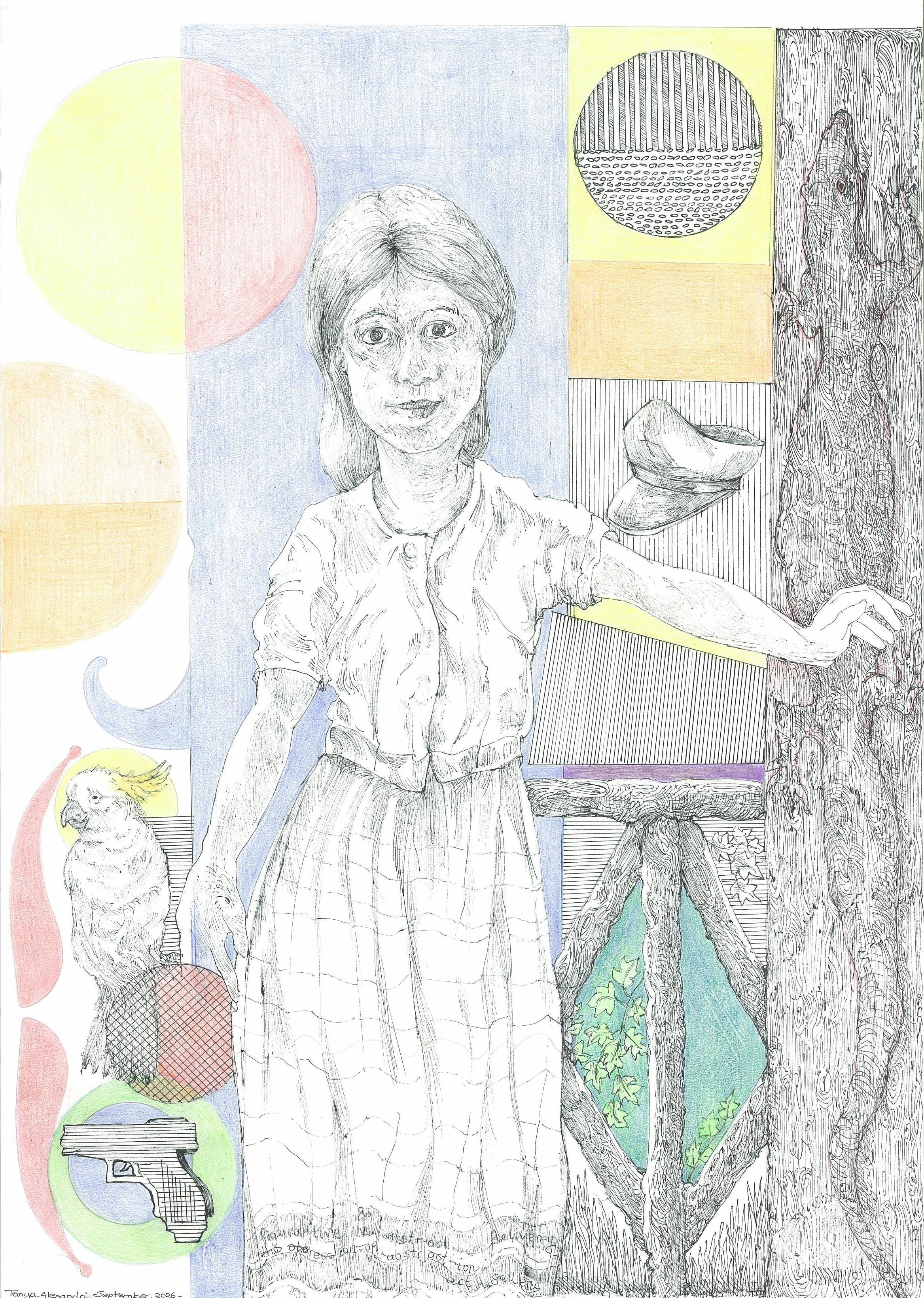
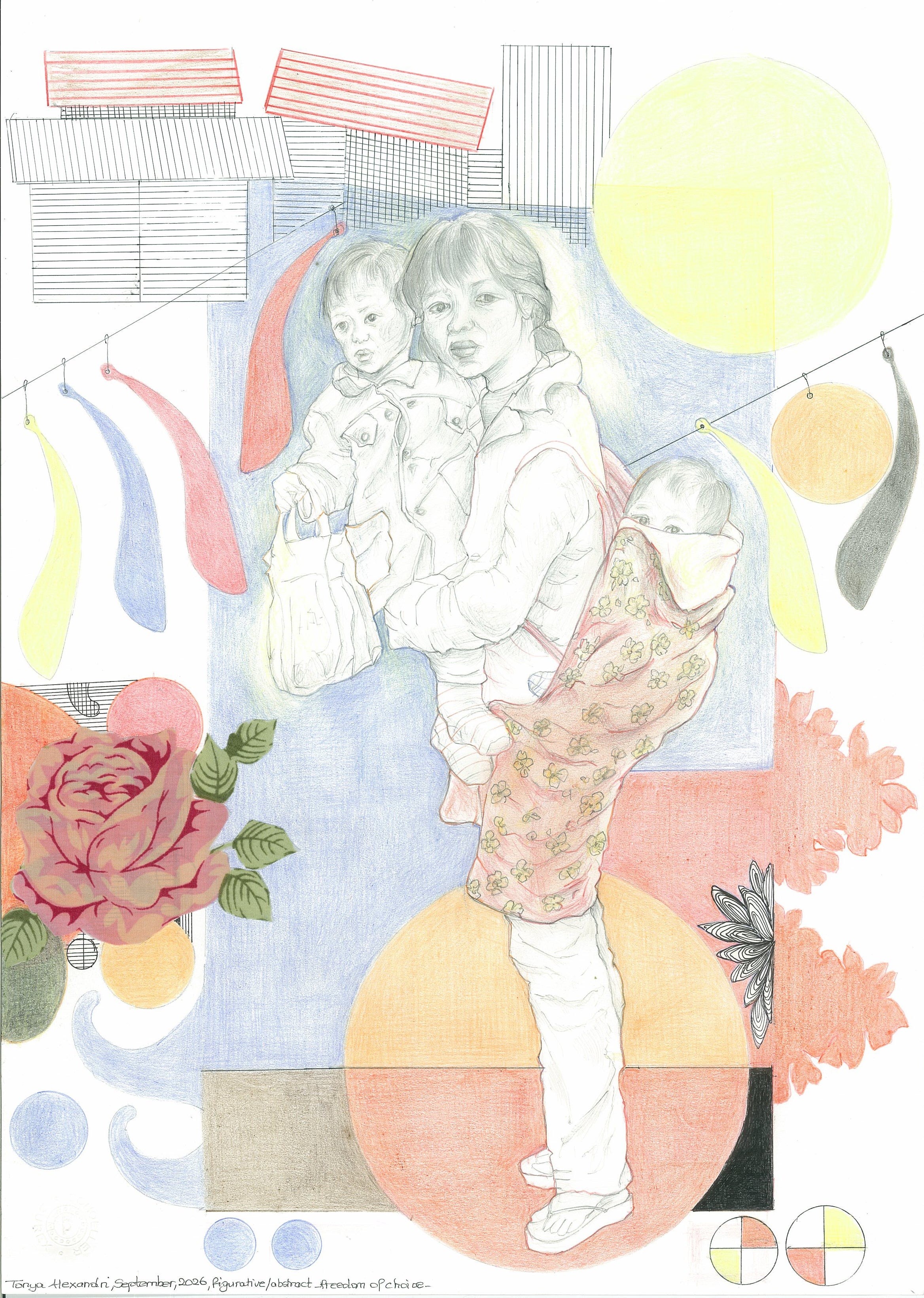 Parrots have fascinated humans and lived beside them for thousands of years, and in the past they were considered exotic, luxury items and status symbols, often kept by nobility. Parrots hold significant symbolic importance in many religions and cultures. In art they sometimes represented wealth, were often depicted with women, and in Chrisitan art the parrot sometimes functioned as a symbol for Mary. One well known painting is Jan Van Eyck’s painting of a Madonna with Jesus holding a green parrot. It also symbolized other things as in the Greek orthodox icon of the monk St Porphyrios, who is depicted with a parrot on his shoulder. Furthermore, parrots have been literary fixtures, and more recently have starred in films. In psychology, too, the parrot has been used as a symbol or metaphor for various ideas. For instance, in Jungian psychology a parrot may represent “parroting behaviour,” a.lack of a true or more authentic identity, and may reflect the fear of not being one’s true self or the adopting of the opinions, beliefs, narratives and expectations of others.