Everything is interconnected
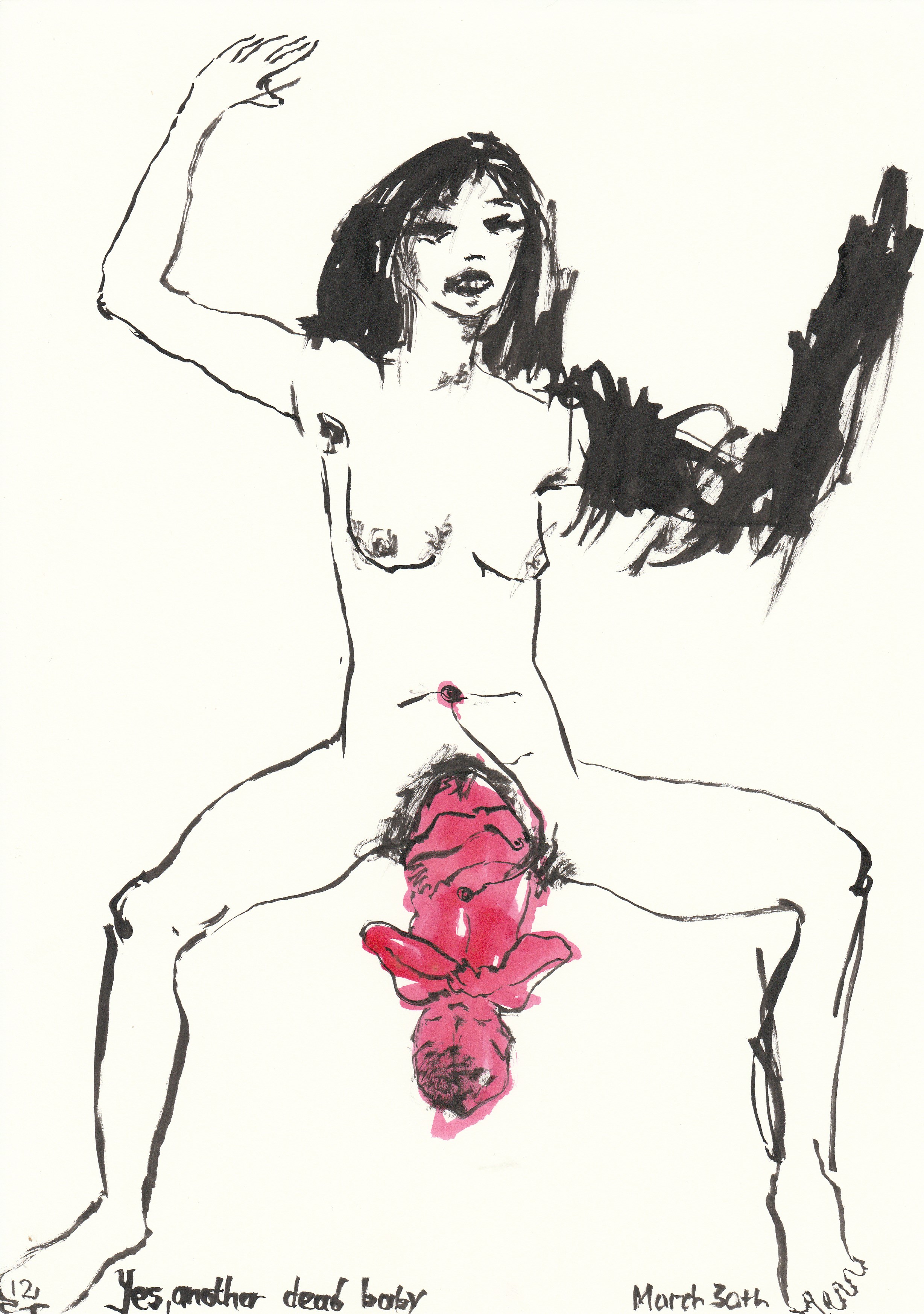
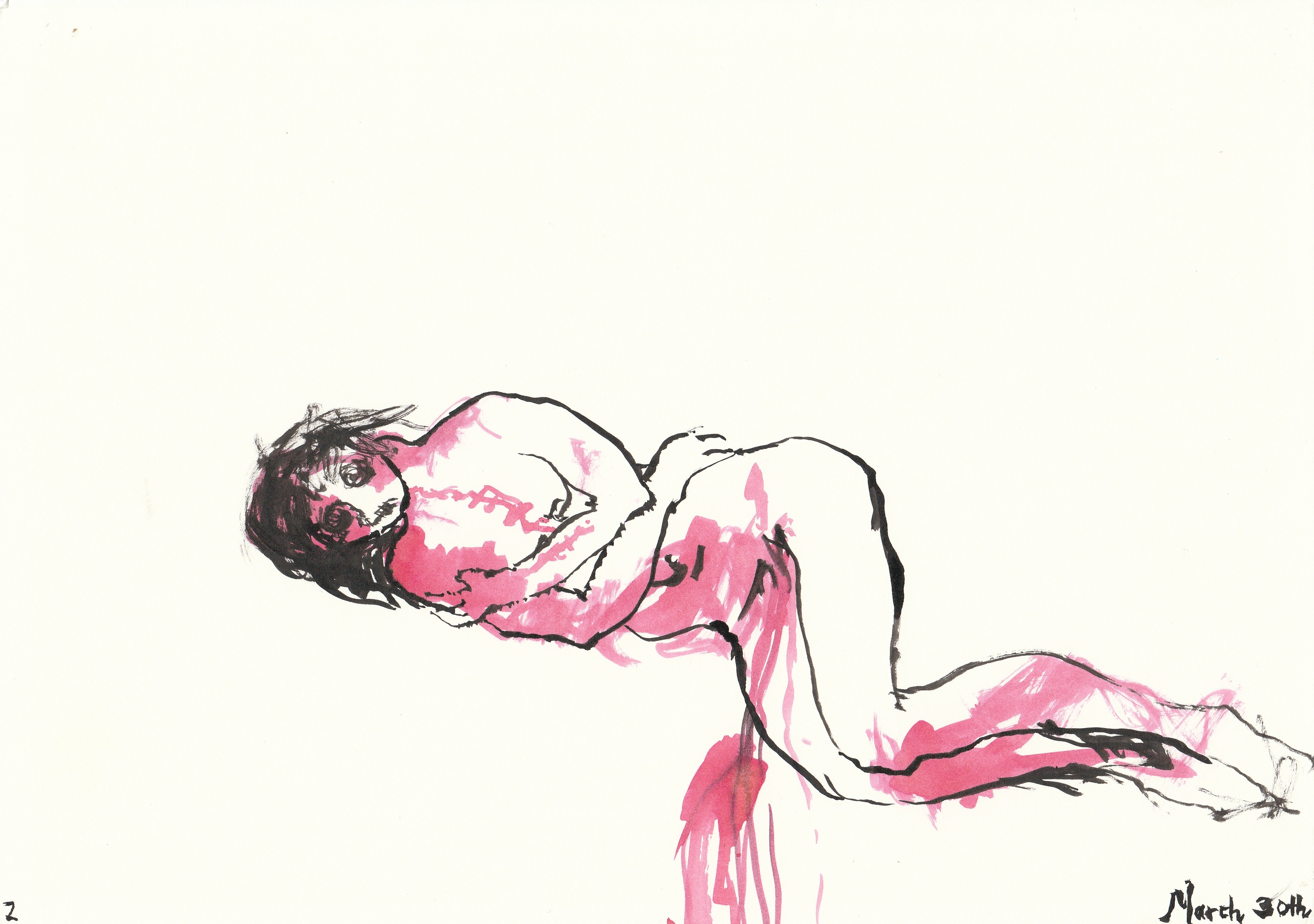
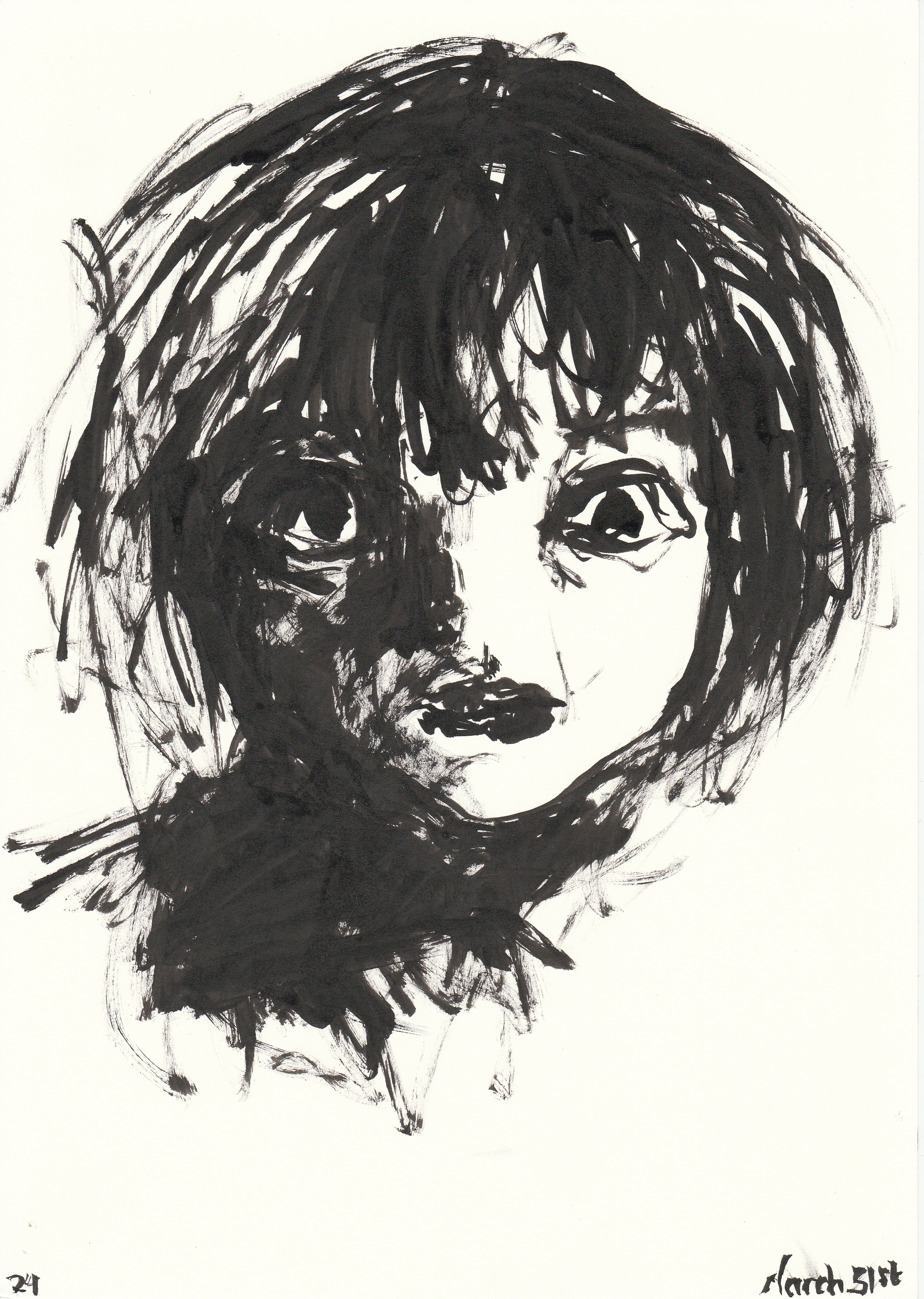
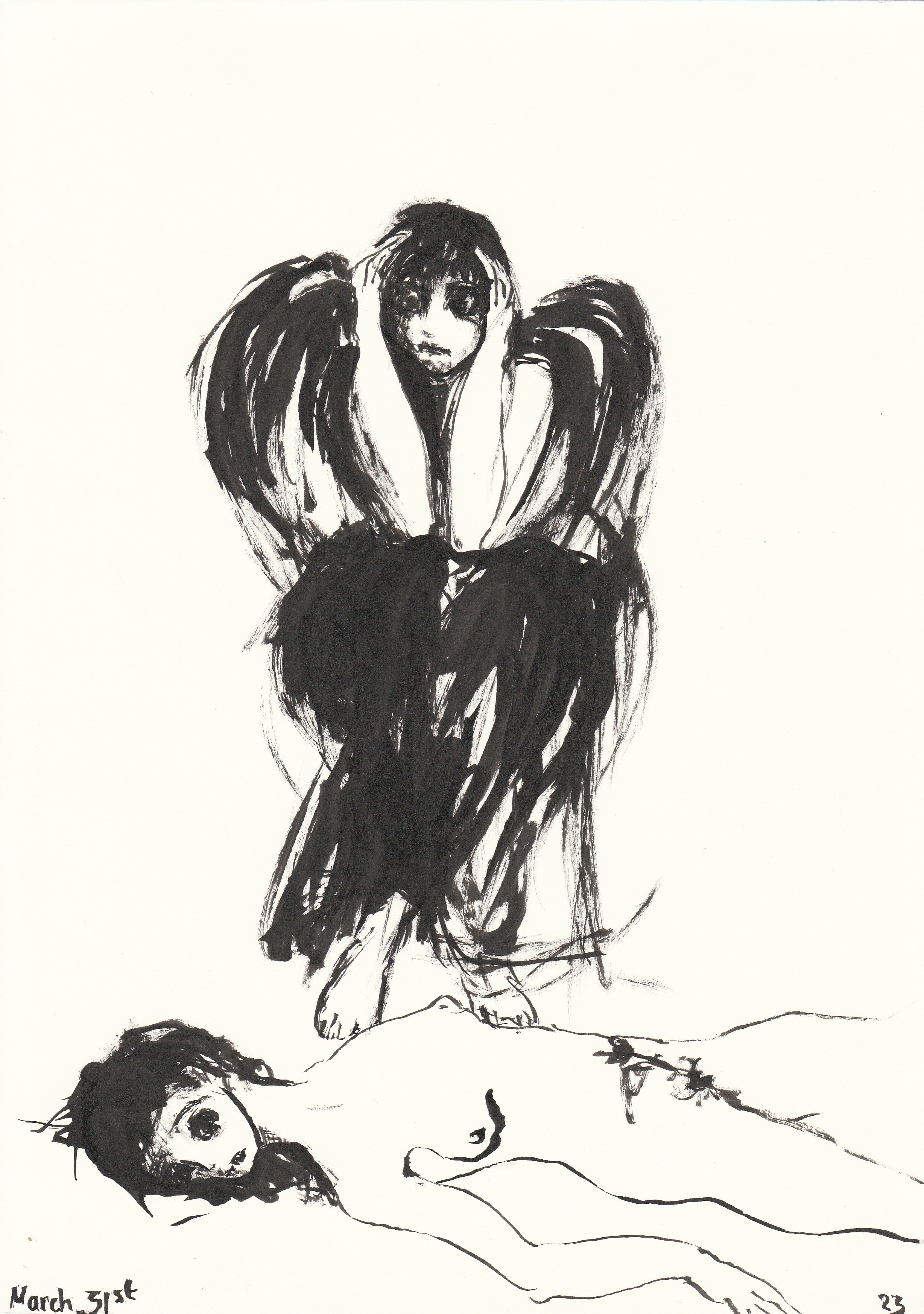
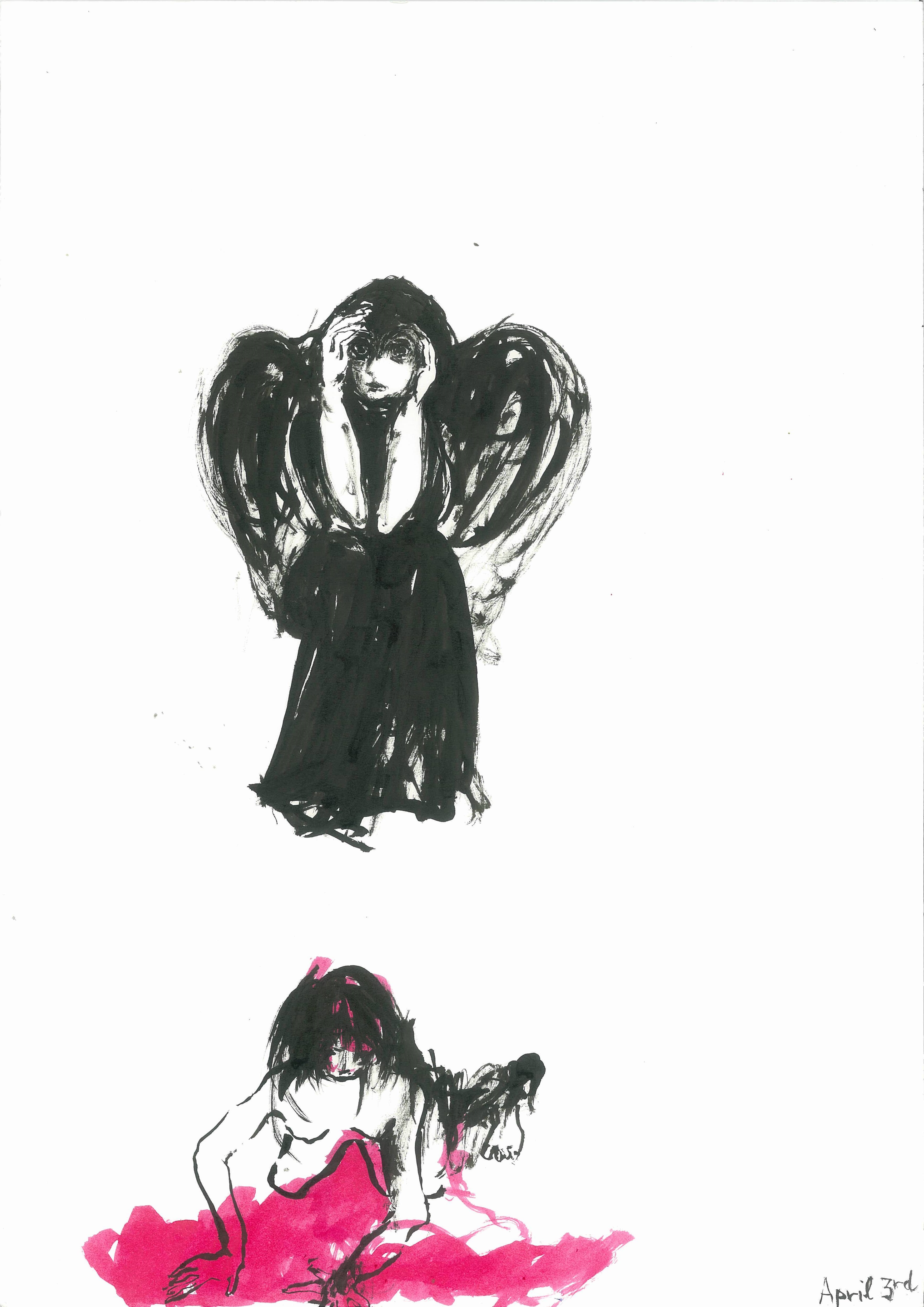
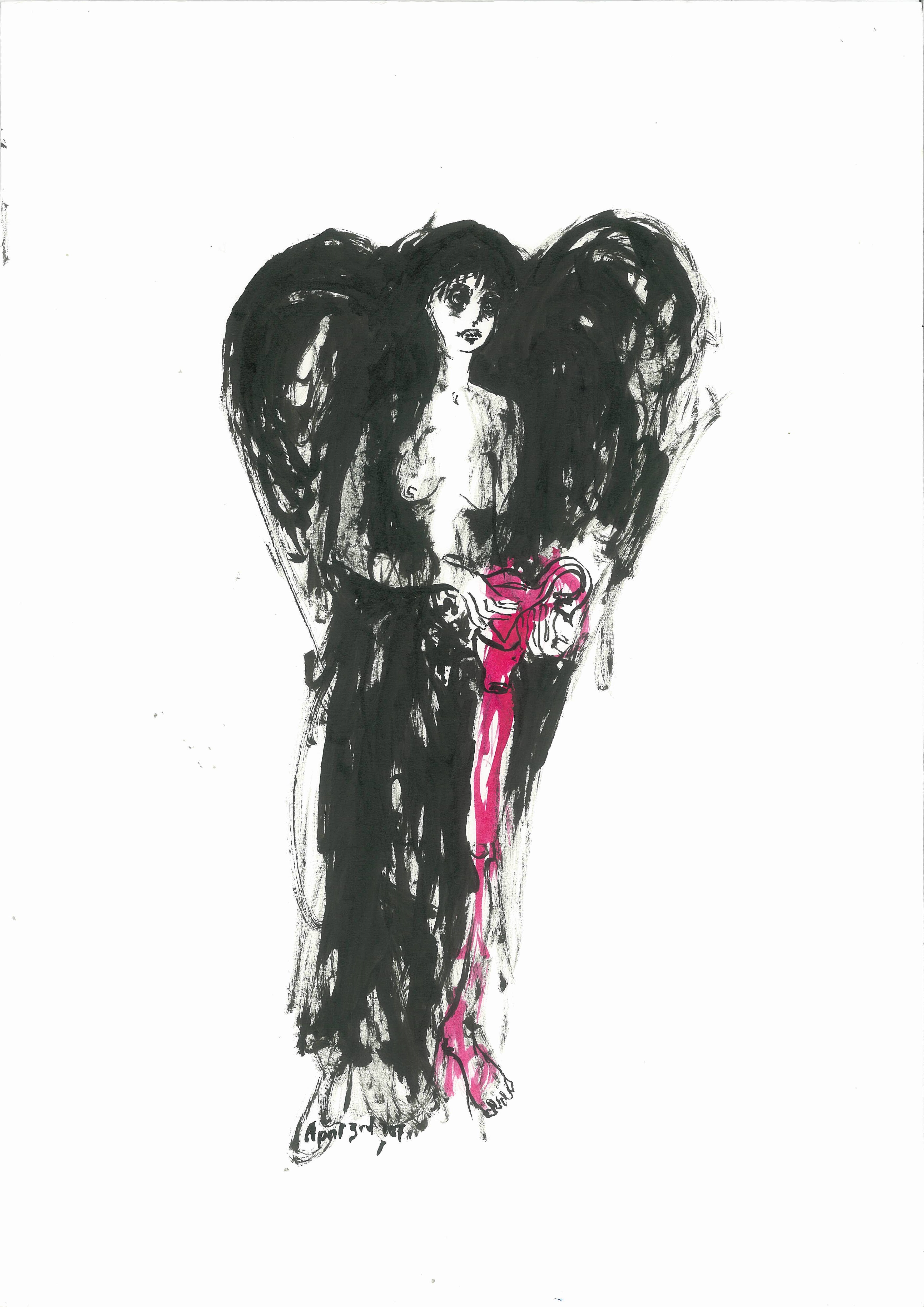
The ink brush pictures I posted here today are from the few of a series of over ninety that have survived, which I did over very brief periods of time mostly in 2006. They are quite different from the previously detailed pen ink drawings I was used to making. Some I cut out and used in a long series of collage type drawings that can be viewed in the artwork section of the site. Some have been used as paper for journaling and thrown away. They are fast and automatic and they reflect cellular and emotional experience and memory. Our emotional and cellular memories come through dreams, art, behaviours, and responses to events, choices and symptoms. Trauma, violence, accidents, medical events and experiences under anaesthesia still linger in our bodies long after the events have ended. Pat Ogden** writes: “Body” memory is another term that has been used clinically to identify implicit somatic memory (Siegel, 2003). Body memory refers to recollections of trauma that emerge through somatic experience: muscle tension, movements, sensations, autonomic arousal, and so on. In 1907 Janet described body memories and their contribution to trauma symptoms: The different regions of our body participate in all the events of our life and in all our sentiments. Let us consider two individuals, both of them wounded in the shoulder, one by an elevator, the other by an omnibus. These wounds have long been cured, but you can easily understand that the remembrance of a sensation in the shoulder, that even the idea of the shoulder, is a part of the remembrance of the accident; it is enough that you touch one of these patients on the shoulder for this peculiar sensation to remind him of his accident and determine the crisis. Thus tactile sensations, internal sensations (such as trembling), kinesthetic responses (such as muscular tension), vestibular responses (such as feelings of dizziness that occur in response to trauma stimuli), and the somatic components of a defensive subsystem (such as the constriction associated with freezing) are all examples of ways in which the trauma is remembered through implicit body memories. These nonverbal memories are difficult for most traumatized individuals to understand, let alone revise or change. They manifest in somatosensory intrusions and confusing emotional outbursts.’
 The body keeps the score. An observer part of the self witnesses what happens. Our soul knows. And at some level all our human experience is interconnected. Experiences like abortions, miscarriages or births are all significant parts of women’s lived experience even though they are more or less taboo subjects in many cultures for various reasons…. They influence us and our creativity. Residual energy of unmetabolized emotions generated from disrupted pregnancies, for instance, can hinder the flow of our creativity in general. Art and dreams are channels through which subconscious and cellular information arises in condensed forms. In dreams and art mechanisms like condensation, displacement, dramatization or elaboration take place. Freud said that unconscious feelings often express themselves in dramatized or pictorial form. Banished knowledge always finds ways to surface. It can become the fertile ground for creative and artistic processes and narratives.
** Pat Ogden, Trauma and the Body: A Sensorimotor Approach to Psychotherapy (Norton Series on Interpersonal Neurobiology) (p. 235)
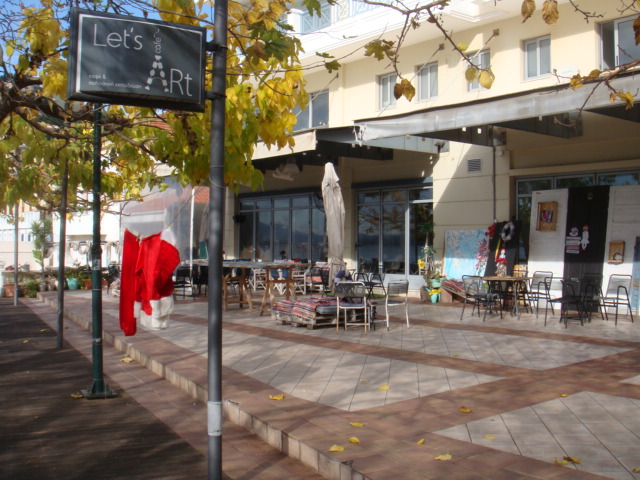
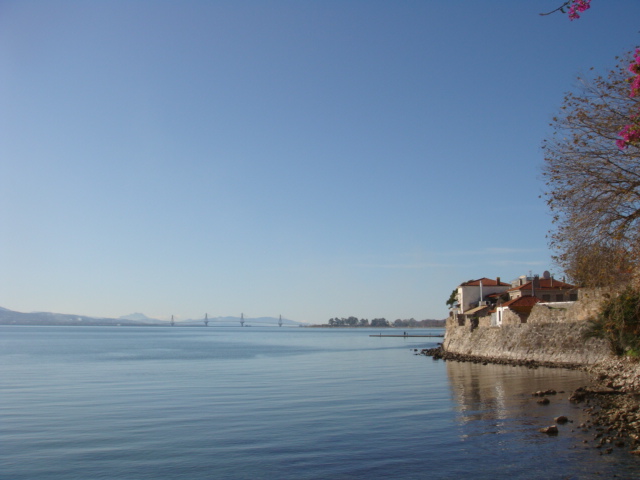
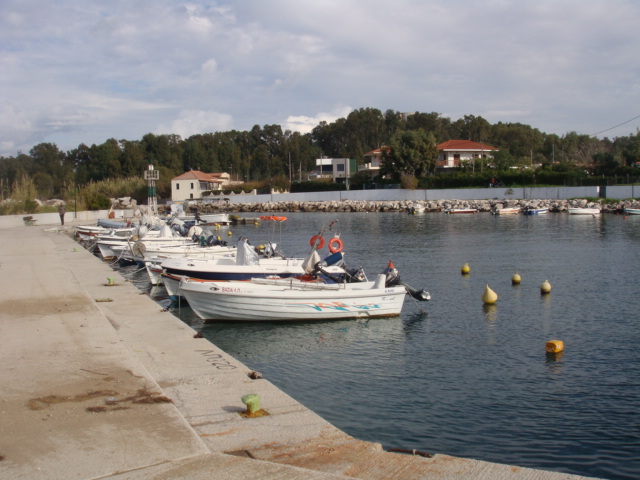
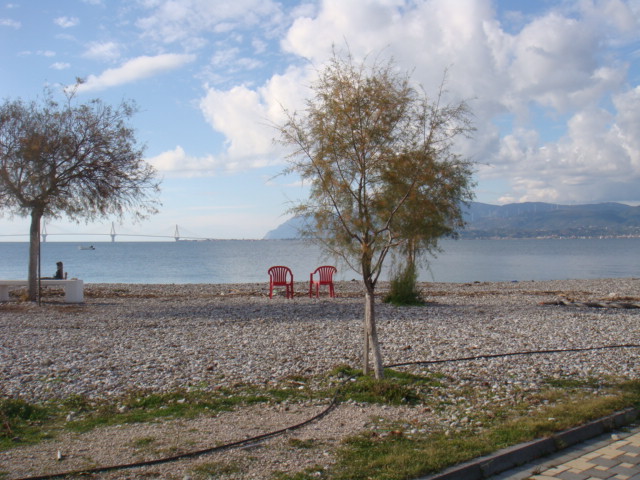
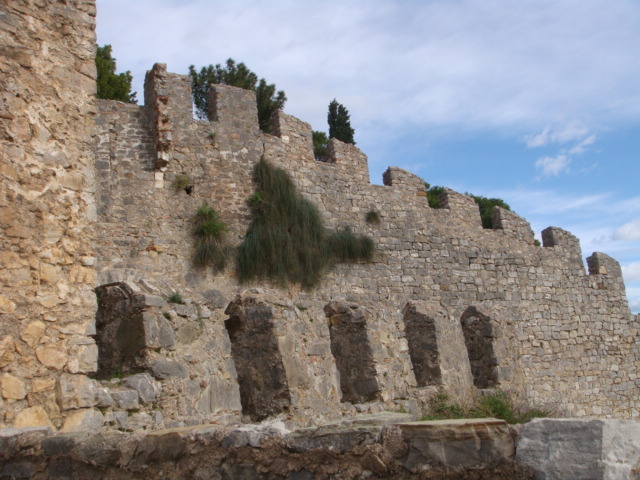
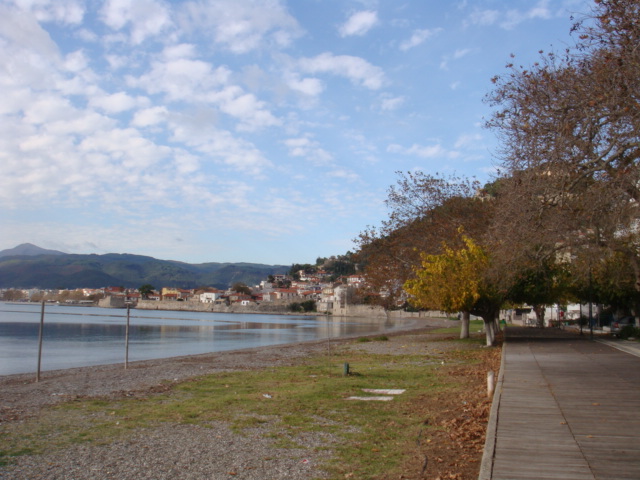
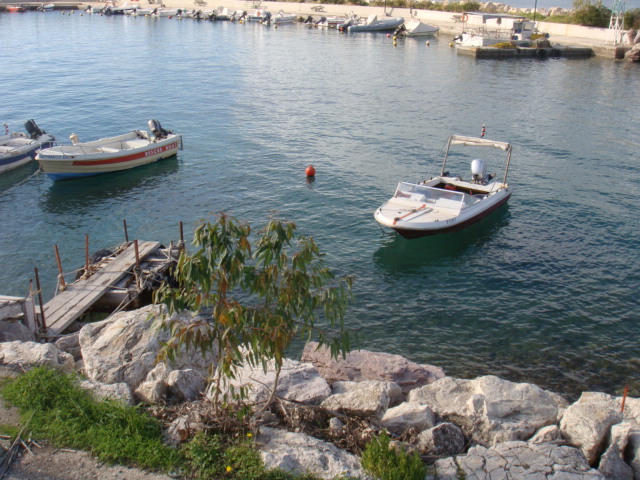
 Over the Christmas week we visited my parents’ birthplaces and hometown. Ι had set several intentions for this trip, one being, to visit spots I had frequented as a young teenager and see things through the eyes of my current age. I was reminded of her reality and take on things and I witnessed dynamics from a different vantage point. The beauty of the places was freed of memories as I re-inhabited them in a more grateful and spacious now. Outside the Metropolis (the bishopric) I remembered that in one of its rooms a good looking guy had tried over coffee or tea to persuade me to enter monastic life. The memory brought home to me the vulnerability of adolescence and how important it is to teach children ways to engage with making age appropriate choices aligned to their authentic self. It was also amusing to experience houses and rooms as smaller than how I had remembered them. In my teens I spent part of the summer time at my mother’s siblings’ homes. Their homes that now belong to other people, since they have all passed away, seemed smaller, tucked between the new houses that have risen on back yards, lemon orchards and olive groves. The sea is not visible. The dirt path that leads to the beach has been fenced.